





While it's not uncommon for a fund to experience occasional negative cash and cash equivalents, it's essential to closely monitor if there are consistent offenders.
And so, to directly answer our reader Hrishikesh Dingankar's query, debt funds that have negative cash positions consistently can be risky. This issue can impact their overall performance.
For those unaware, a negative cash position occurs when a fund owes more than it owns.
This can occur due to two reasons:
- When there is a time gap between buying/selling securities and when the money actually changes hands. This can result in payables (amount owed by the fund) exceeding receivables (amount owed to the fund).
- When more investors withdraw from a debt fund than those investing in it.
Why it is risky
When a fund receives high withdrawal requests and has insufficient new investments, it may need to borrow cash or sell securities to generate some money.
However, selling securities in a stressed market can lead to lower prices, causing a decrease in the fund's value. As a result, investors may see a decline in the net asset value (NAV) of their units.
Point to remember
While repeated offenders should be on your red list, you can consider the magnitude of the negative cash position relative to the fund's total assets under management (AUM).
That said, negative cash positions of any type should at least trigger your spider-sense.
How to check a debt fund's cash positions?
- Visit the AMC's website.
- Locate the fund's portfolio details (no sign-ups needed).
- Look for 'cash and cash equivalents' or 'net payables'
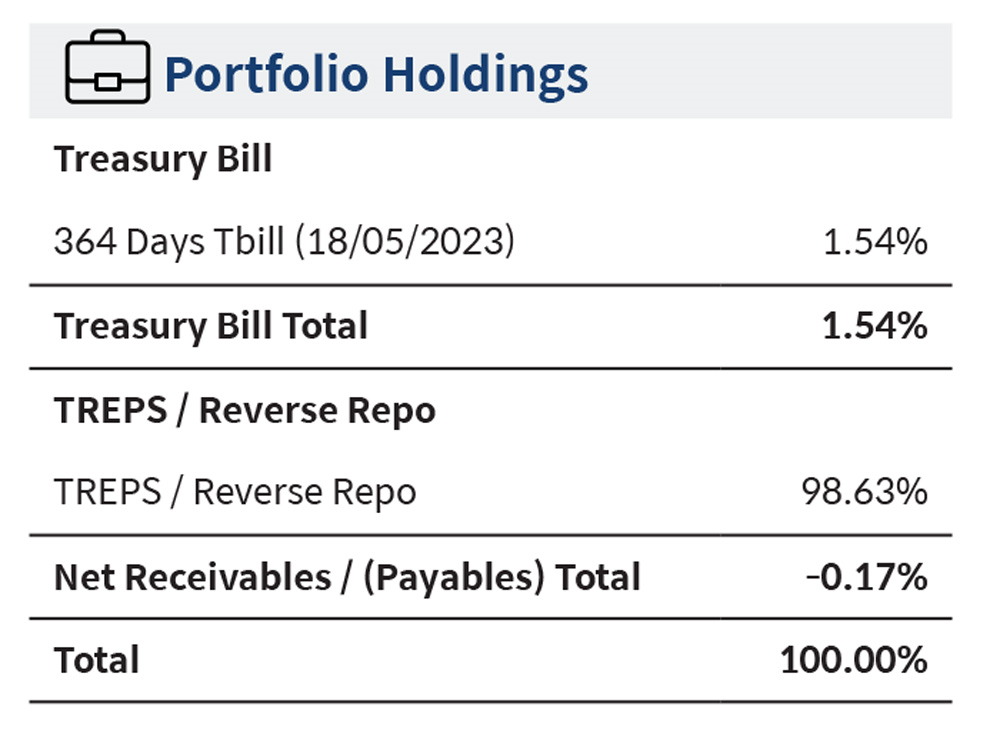
For instance, in the screenshot below, -0.17 per cent denotes the amount payable, reflecting a negative cash position.
This article was originally published on May 25, 2023.
Ask Value Research 

 New episodes every Friday




 New Process Alert
  Seems like you've uploaded a wrong QR code. Please upload the QR code downloaded from MF Central platform.


