




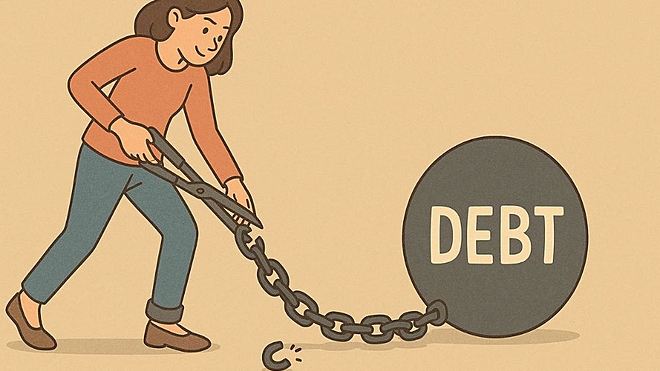
 AI-generated image

"I know SIPs are important," Devi said. "But what's the point of investing just Rs 500 a month?"
Devi is 29, works in tech, lives in Hyderabad and earns a decent salary. She's financially aware, doesn't splurge and keeps track of her spending. But every month, her bank account feels squeezed.
Here's why: She's still repaying the car loan her parents took a few years ago—Rs 12,000 goes there. She also sends Rs 10,000 home to help with her younger brother's college fees.
By the time rent, groceries, bills and everything else is covered, there's barely anything left. And whatever's left... just doesn't feel like "enough" for her to invest.
"I want to start SIPs," she told me one evening, "but Rs 500 or Rs 1,000 feels pointless."
But it's not. I told her.
Start with what you have
What Devi didn't realise is that starting small should not come across as a compromise—it can be the starting point of a long-term strategy. Rs 500 a month may feel tiny, but it's not about the amount. It's about the habit.
I showed her the numbers using an SIP calculator. Rs 500 a month, invested for 15 years at an average 12 per cent return, grows to over Rs 2.37 lakh. She was surprised. But it wasn't just about the math.
"Once you start, you'll find ways to add more," I advised. "But you have to start somewhere."
So, Devi decided to begin. Rs 1,000 monthly SIP in a mutual fund. Small but steady.
How she tackled her debt
To free up more money to invest, Devi took a closer look at her cash flow. Here's how she slowly made room for her investments:
1) Mapped out everything
She made a simple sheet listing all her fixed outflows:
- Car loan: Rs 12,000/month
- College support for brother: Rs 10,000/month
- Rent + groceries + bills + essentials: Rs 25,000/month
That left her with around Rs 5,000 - Rs 6,000 every month, but it always disappeared.
2) Identified where the money leaked
After tracking her spending for two months, she realised she was spending over Rs 3,000 on random food orders, cabs and online shopping.
"I had no idea I was spending almost Rs 1,200 just on weekday lunches," she admitted.
She didn't stop all of it but reduced it. Swiggy became a once-a-week treat. She took the metro more often. Those alone saved her nearly Rs 2,000 a month.
3) Restructured her car loan
This was a tough one. The car wasn't even hers; it was for her parents. But she was determined to make it work.
She spoke to her bank and extended the loan tenure by 12 months. That reduced her EMI from Rs 12,000 to Rs 9,000. It meant paying a little more in total interest over time, but it gave her breathing space now.
"I was worried about asking the bank," she said. "But it was just a 15-minute conversation."
4) Created a mini emergency fund
Instead of relying on her credit card for sudden expenses, Devi started building a cushion. She put some money into a liquid fund. Small but growing.
Eventually, she hopes to build it up to cover 6-8 months' worth of expenses.
5) Set a SIP target
Now that Devi had a little more money with her, she made it her goal to gradually increase her SIP amount every year.
"I step it up with every salary hike," she explained. "That way, it feels manageable and not overwhelming."
Where she is now
It's been two years since Devi started with that Rs 1,000 SIP. She now invests Rs 4,000 per month. She still supports her family and still pays the car EMI, but she's also slowly building wealth for herself.
"The best part? I sleep better," she says. "I know I'm not just surviving month to month anymore."
Next year, her brother graduates. That's another Rs 10,000 that will become available. Half will go to her SIPs and half toward a travel fund, a little reward for all her discipline.
Lessons for you
- Start small, but start: Rs 500 may not feel like much, but it's better than nothing. The goal is to build the habit, not chase perfection. And thanks to compounding, even small amounts grow big over time. The earlier you begin, the more time your money has to multiply.
- Know where your money goes: You can't fix what you can't see. Track your spending, and you'll be surprised at how much slips through the cracks.
- Prioritise high-interest debt: If you have multiple loans, pay off the costliest ones, like credit cards. It saves you more in the long run.
- Tiny tweaks make a big difference: Cutting back on those frequent food orders and impulse purchases can free up more than you'd expect.
- You can support your family and your future: It's not either/or. With a little planning, you can do both—guilt-free.
Also read: How IPOs' Day 1 heroes become medium-term villains
This article was originally published on April 11, 2025.
Ask Value Research 

 New episodes every Friday




 New Process Alert
  Seems like you've uploaded a wrong QR code. Please upload the QR code downloaded from MF Central platform.


