




 AI-generated image

Multi-asset allocation funds are on cloud nine. This is reflected in their mushrooming asset base, which grew at a staggering 138 per cent in the last year, totalling nearly Rs 1 lakh crore (as of September 2024), including nine new fund offers (NFOs) that raked in Rs 7,700 crore this year. Moreover, these funds fetched a stellar 25 per cent return during the same period, further enhancing their appeal.
Given their rising popularity among investors, we felt it was the right time to understand what multi-asset allocation funds are. So, without further ado, let's dive in!
What are multi-asset allocation funds?
Multi-asset allocation funds are hybrid funds that spread their investments across at least three asset classes, dedicating a minimum of 10 per cent to each, such as equities, debt and commodities like gold and silver. These funds can also invest in real estate, arbitrage and InvITs. With such a diversified approach, multi-asset funds act like the 'Swiss Army knife' of mutual fund investments, offering investors a flexible, all-in-one solution.
What does their allocation strategy look like?
Though multi-asset funds are mandated to park at least 10 per cent of their money across three asset classes, beyond this, their allocation can be highly dynamic. For instance, their equity exposure can range anywhere from 10 to 80 per cent.
While the category's average equity allocation currently stands at 56 per cent, some funds, like Edelweiss Multi Asset Allocation Fund, effectively maintain zero net equity exposure. In comparison, others have 20-30 per cent unhedged equity, and some go as high as 60-70 per cent.
This diversity means there is no single strategy followed across all multi-asset funds. It is crucial to know how much of your investment is in equities, debt and gold. Opting for funds with a predictable allocation allows you to better understand the risk you are taking on.
How gold adds shine to multi-asset funds
By now, most of us know that gold acts as a safe haven against market uncertainties. When markets are in turmoil, the yellow metal typically moves upwards. Since multi-asset funds allocate some part to gold, they have fallen less than their counterparts during periods of economic downturn. For example, during the Covid-19 market crash in March 2020, aggressive hybrid and flexi-cap funds tumbled by 19 and 29 per cent, respectively. By contrast, an average multi-asset fund fell by 14 per cent, showing greater resilience.
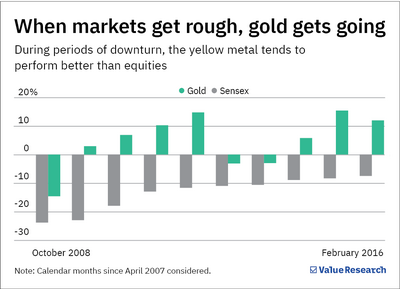
That said, in the post-Covid rally, these funds have delivered the least, with an annualised return of 16 per cent since the beginning of 2021, compared to 17 per cent for aggressive hybrid funds and 20 per cent for flexi-cap funds, primarily due to multi-asset funds' lower equity allocation.
If you are keen on getting exposure to gold, consider adding sovereign gold bonds (SGBs) to your portfolio. Not only are they the safest mode of gold investment, but they also provide tax-free returns on maturity and a 2.5 per cent annual interest over and above the gold price.
So, are multi-asset funds right for you?
Whether to add multi-asset allocation funds to your portfolio depends on your investing approach. If you want to avoid the hassle of rebalancing your portfolios, are comfortable with dynamic allocations or are new to investing, multi-asset funds may be a convenient entry point.
But, if you are a more hands-on investor aiming to maximise returns with specific funds, a DIY (do-it-yourself) approach would be better. Ultimately, you should choose an asset allocation that aligns with your financial goals and risk appetite.
Also read: Multi-asset allocation funds are the second-most popular choice today. Should you invest?
Ask Value Research 

 New episodes every Friday










 New Process Alert
  Seems like you've uploaded a wrong QR code. Please upload the QR code downloaded from MF Central platform.


