 Widely read:




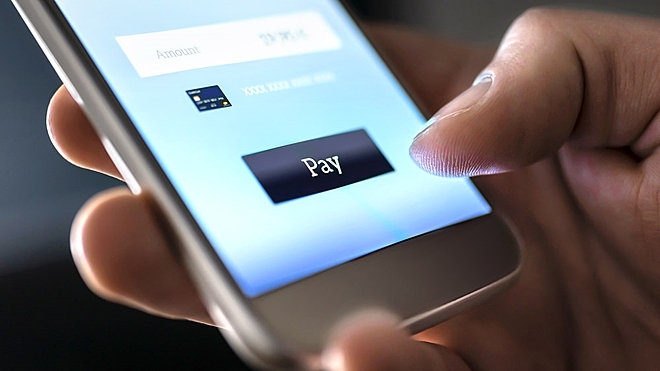
On the surface, e-Rupee is the spitting image of the popular UPI. The modus operandi is identical: you whip out your phone, scan a QR code, enter a 4-digit passcode... and that's your payment done!
So, why bring another digital option that can be tracked by the government and only helps to wipe out physical cash from the face of this planet?
The answer lies in the fine print.
While the similarities between UPI and e-Rupee actually seem pretty cosmetic, on closer scrutiny, their differences run bone-deep. Not just that, if everything runs as per the script, e-Rupee might even help the country save big bucks.
So, let's explore the differences and how e-Rupee can become the government's favourite payment solution.
Involvement of banks
When you use UPI to make a payment, you involve the bank in transferring your money to the other person's account.
e-Rupee, though, will eliminate the bank's role. In this case, you can withdraw digital cash and keep it in your mobile wallet. When you make a payment, the money will flow from your wallet to theirs directly, and banks won't have to act as an intermediary.
While it is too early to predict - since e-Rupee is in its baby-crawling stage - this can actually save the Indian government big bucks.
Under normal circumstances, UPI players like PhonePe and Google Pay should charge a fee for handling our digital transactions.
This fee, known as merchant discount rate (MDR), is capped at 0.9 per cent of the transaction value. But the government has stonewalled UPI players from transferring the transaction fee burden to its customers.
Instead, it has directed the RBI and banks to absorb this damage. While the details and the quantum of the payment are unknown, we can make some assumptions based on NSCI data.
As per NSCI, the total amount of UPI transactions was around Rs 84 lakh crore between April 2021 and March 2022. Even if we assume the transaction fee to be as low as 0.1 per cent, the total amount that the RBI and banks bear stands at Rs 8,400 crore.
Whereas, since e-Rupee is a wallet-to-wallet payment mode, it will ease the burden on the national exchequer.
Digital cash
UPI is a payment platform, similar to how we use debit cards and online banking.
e-Rupee, on the other hand, is more like physical cash that has been digitised.
Since we would be able to carry digital cash in our mobile wallets, the need for physical money would lower over time, which is music to the ears of the government, as fewer notes will help it save close to Rs 5,000 crore in annual printing costs.
Labour intensive
UPI infrastructure maintenance is expensive, and numerous parties - including your bank, the payment app, and NPCI (the organisation that maintains UPI) - are engaged in just one transaction.
e-Rupee, meanwhile, will disband the time and labour cost because it will involve only the payer and the receiver.
To sum up, e-Rupee will roll out nationally to further strengthen the digital payment system in the country, not to replace UPI. While it is too early to tell if it can live up to its potential, the early signs are promising.
Suggested read: Buyback divide: Why market cheers Infosys but boos PayTM
Ask Value Research 

 New episodes every Friday











 New Process Alert
  Seems like you've uploaded a wrong QR code. Please upload the QR code downloaded from MF Central platform.


