 Widely read:




 Nitin Yadav/AI-Generated Image

Making your first crore is a major landmark. And should be celebrated.
From social media to weekend YouTube binges, it’s hard to miss the avalanche of videos on “How to make your first crore”. For many young Indians in their 20s, this is the magic number. The finish line for “I’ve made it” status.
I know this first-hand.
Just last week, my 27-year-old cousin was beaming with excitement over his nearing Rs 1 crore investment corpus. He was already planning a low-key bash. A foreign trip with his closest friends, maybe a MacBook upgrade. “After all,” he told me, “A crore is huge. This is my ‘I’ve arrived’ moment.”
And that is true. Building your first crore is a major milestone.
But later that night, I did some rough math, and what I found might just rain on his celebratory parade.
Rs 1 crore today ≠ Rs 1 crore tomorrow
Here’s a reality check.
If my cousin retires 30 years from now and inflation averages just 5 per cent annually, his Rs 1 crore will shrink in purchasing power to just Rs 23.1 lakh in today’s terms.
Stretch that to 35 years? That Rs 1 crore will feel like Rs 18.1 lakh today. That’s not dream retirement money. That’s “barely cover your expenses” money.
To preserve the true buying power of Rs 1 crore 30 years from now, you’ll actually need around Rs 4.33 crore. Let’s break it down:
Real worth in 30 years
Assuming inflation at 5 per cent
| Today’s money | 30 years later’s worth |
|---|---|
| Rs 1 crore | Rs 23.1 lakh |
| Rs 2 crore | Rs 46.2 |
| Rs 3 crore | Rs 69.4 lakh |
| Rs 4 crore | Rs 92.6 lakh |
| Rs 4.33 crore | Rs 1 crore |
| Rs 5 crore | Rs 1.16 crore |
Inflation, the enemy within
By now, most of us are aware about the silent cancer called inflation. While inflation is required for emerging economies to grow, it can burn a hole in our pockets. In the world of personal finance, inflation is like slow rust on nails.
That said, I am not about to be Dr Doom here because 25 to 30-year-old working professionals (like my cousin) have a real shot at earning meaningful wealth, and well above the Rs 4.33 crore-mark.
Why?
Time is on your hands.
With smart investing, compounding and discipline, that Rs 4.33 crore is within reach. Even for those who aren’t earning a lot.
Let’s say you start investing Rs 10,000 per month at age 25 in an equity mutual fund that gives 12 per cent annual returns. Now, increase your SIP by 5 per cent every year. If you do that, you’ll cross Rs 4.33 crore well before turning 55.
The more ambitious young investors shouldn’t stop there, though. Because even a Rs 1 crore retirement corpus today (which is equal to Rs 4.33 crore in 30 years) is not enough for a comfortable retirement. While a larger corpus, say worth Rs 8 to 15 crore, reads and sounds very daunting today, here’s the deal:
- Try to increase your savings rate over time.
- Anything below 20 per cent of your income may not get you to a decent nest egg.
- If you don’t pay rent, your savings rate should be higher.
In fact, here’s a thumb rule you can follow:
- Save 10 per cent of your income → You’ll be financially independent in 40+ years
- Save 30 per cent → Financial independence in 24 years
- Save 50 per cent → Financial independence in 15 years
A quick recap for my cousin and 25 to 30-year-olds
- Don’t stop at Rs 1 crore.
Celebrate it, sure. But see it as a milestone, not the final destination. - Account for inflation in your goals.
What seems like “too much” today might feel like pocket change later. - Use goal-based investing.
Label your SIPs (monthly investments in mutual funds). Retirement, home, travel — so your money stays aligned with your life. - Get the asset mix right.
Add debt/gold as your corpus grows. - Life changes. So should your plan.
Where should you invest?
Start with our trusted Value Research Star Ratings — widely used by media, fintech platforms and serious investors. (You can click on any of the fund categories to find our ratings).
But don’t stop there.
Our Value Research Fund Advisor shortlists funds through in-depth analyst research. If you’re serious about building wealth, this is your go-to.
Also read: From Rs 5,000 to Rs 24 lakh: How Kavya bought her dream car
This article was originally published on June 23, 2025.
Ask Value Research 

 New episodes every Friday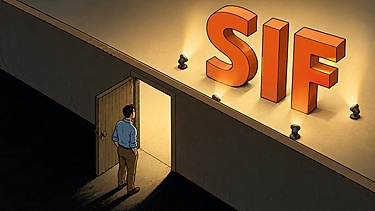










 New Process Alert
  Seems like you've uploaded a wrong QR code. Please upload the QR code downloaded from MF Central platform.


