 Widely read:




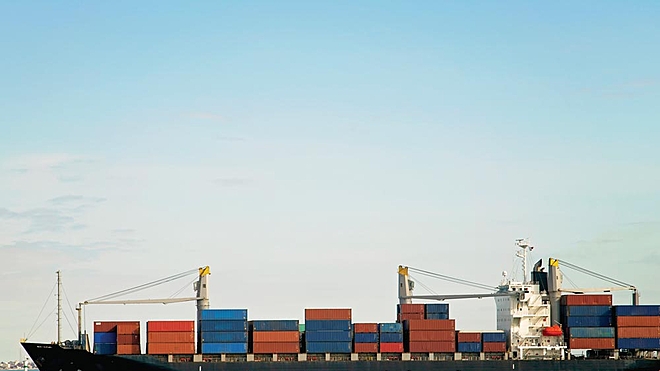
The Government of India is trying its luck for the second time by showing its willingness to sell its entire holding of 63.75 per cent in Shipping Corporation of India (SCI), India's largest shipping company. In 2002-03, the privatisation drive of the SCI had fallen through. Back then, investors shied away from bidding, as the government inserted a nationalisation clause, which meant that the SCI could again be nationalised in situations of national security. Cases challenging the disinvestment of SCI also led to the government deferring the process.
Incorporated as Eastern Shipping Corporation in 1950, SCI was amalgamated with the Western Shipping Corporation in 1961. After being renamed Shipping Corporation of India, it got listed in 1992.
Strengths
- With a fleet size of 59 vessels and a capacity of 5.3 million deadweight tonnage (dwt), SCI is the largest shipping company in India.
- With a track record of more than 59 years in the shipping business, its long-standing relationships with oil and steel companies ensure high fleet utilisation.
- New acquisitions have brought down the average age of its fleet from 18 years in 2007 to about 11.28 years. A young fleet has lower operating expenses.
- The company has been awarded a six-year-long contract by ONGC for Samudra Nidhi, valid till March 31, 2023. The Defence Research and Development Organisation (DRDO) has already placed its requirement with the company for the hiring of two support vessels for a period of four years, with a one-year extension option.
Weaknesses
- The company derives almost 40 per cent of its revenue from just three oil majors; BPCL, HPCL and IOCL. Post-privatisation, SCI may not be a preferable choice for oil majors.
- The company's operations are exposed to fluctuations in charter rates, as the majority of its fleet operates on voyage charter or period charter of short duration.
- Voyage-charter contracts are exposed to the volatility of bunker prices. Bunker prices vary sharply with changes in global crude prices.

Opportunities
- The shipping industry has been witnessing the lowest order book in the last 20 years and is undergoing consolidation. This should eventually help the remaining strong players.
- The Government of India is taking various initiatives to promote the shipping industry. Under the Sagarmala Programme, the government has envisioned a total of 189 projects for the modernisation of ports, involving an investment of $22 billion by 2035.
- India is targeting to raise the share of natural gas in its energy mix to 15 per cent by 2025 from the current 6 per cent. SCI jointly owns and operates three LNG carriers under long-term charters with Petronet LNG for the transportation of LNG.
Threats
- The growth of the global shipping industry directly depends on the global economic growth. The COVID-19 pandemic has significantly affected the global GDP growth and normalcy is yet to be restored.
- Ongoing tensions between China and various other countries, including India, can flare up tensions on international waters.

This is an analytical article and not a recommendation to invest in this stock. You must do your own research before taking a call to invest. If you are interested in our stock recommendations, please visit http://www.valueresearchstocks.com
Ask Value Research 

 New episodes every Friday











 New Process Alert
  Seems like you've uploaded a wrong QR code. Please upload the QR code downloaded from MF Central platform.


