




Maruti Suzuki (MSIL) is embroiled in a controversy: a tussle with minority shareholders and the parent Suzuki Motor Corp (SMC). The bone of contention between the two parties: the new manufacturing plant in Gujarat. The reason: Parent SMC wants the Gujarat manufacturing plant to be its 100 per cent subsidiary, which will render MSIL to just a car distributor.
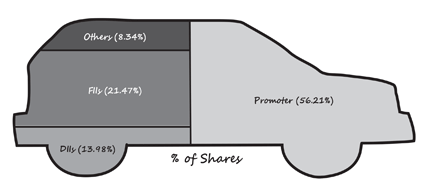
SMC wants to invest around ₹3,000 crore in the Gujarat plant on land owned by MSIL. In the process, SMC will be selling the developed cars from this plant to MSIL at the price of production cost plus cash to cover the (net of taxes) incremental capital expenditure requirements. According to the MSIL board, this will benefit the company as it will save on the capital expenditure and there is not much difference between the costing based on the calculation at both its Haryana plants.
For shareholders the news is worrisome. Already MSIL's PE is impacted and once the decision is concluded, the PE will correct and impact the future growth of MSIL. In the new scheme of things MSIL will be earning only the commission on sales of car units from the Gujarat plant. For a change, institutions like MFs and insurance companies are rigorously opposing this decision for valid reasons and standing up to the rights of scores of small investors in the process.
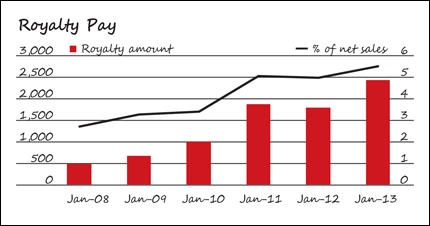
According to MSIL's circular and calculations SMC won't generate cash surpluses. But in the new scheme of things, the costing includes the royalty payment that is to be paid to SMC in the first place. In fact the royalty payment by MSIL to the parent is growing faster than revenues and profitability. In FY13 MSIL paid ₹2,454 crore as royalty which is more than the net profit of the company. This clearly indicates that SMC is trying every possible way to extract earnings from the Indian subsidiary.
MSIL's cash and equivalents stood at ₹8,500 crore as on Sep 30, 2013, which is enough to pay for the capital expenditure it will incur in Gujarat without impacting the balance sheet. At the moment minority shareholders have come together and hold almost 15 per cent of the stake and have decided to go against the board decision. Watch out this space for more.
Ask Value Research 


 New episodes every Friday


 New Process Alert
  Seems like you've uploaded a wrong QR code. Please upload the QR code downloaded from MF Central platform.


