 Widely read:


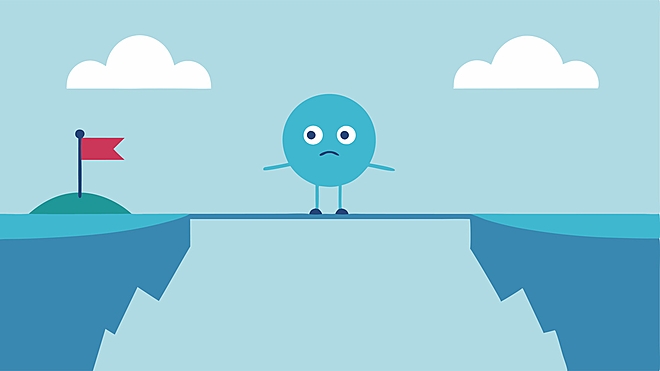
Summary: Markets fall 10–20 per cent every year, yet most of the damage happens inside our heads. Discover why staying calm beats being clever, how emotional triggers derail investors, and the simple way to narrow the behaviour gap.
Summary: Markets fall 10–20 per cent every year, yet most of the damage happens inside our heads. Discover why staying calm beats being clever, how emotional triggers derail investors, and the simple way to narrow the behaviour gap. “Don’t get emotional, yaar.” We’ve all heard that refrain. I grew up hearing it, too, usually at the very moment I was emotional. Ironically, being told not to feel something only made me feel it more. So, I hope this note, my own version of “don’t get emotional”, doesn’t catch you at such a moment, especially about your investments. Given where markets stand, emotions may not be running high. At best, there’s mild disappointment that equities refuse to comply with our expectations to rise in a neat, predictable line. No one taught me when I was younger why I shouldn’t get emotional. But the stock market has been a great teacher. It’s the longest-running real-time experiment in human behaviour, showing, daily, what fear and greed can do to rational thought. Being human means being emotional. If everyone were perfectly logical, markets wouldn’t exist. Valuations would simply reflect mathematical truth. Instead, greed, fear, optimism, anxiety, envy—all add flavour and chaos. The trick isn’t to eliminate emotion; it’s to manage it better than most. To stay calm when others panic, and realistic when others chase unrealistic returns. Recognising emotions, not suppressing the
This story is not available as it is from the Mutual Fund Insight December 2025 issue
Read other available articlesAdvertisement
 New episodes every Friday











 New Process Alert
 Seems like you've uploaded a wrong QR code. Please upload the QR code downloaded from MF Central platform.


