


 Anand Kumar/AI-Generated Image


Summary: Twenty-four years after the first issue, readers no longer ask whether to own equity, but their worries (a stalled SIP, a fund’s slipping rank) still miss the questions that matter. This anniversary editorial explains why the magazine picks the worries where a wrong answer costs most, including lifecycle funds that suit a single-date goal but not a retirement lasting decades.
Twenty-four years ago, when the first issue of India’s first, and still the only, mutual fund magazine reached its first few thousand readers, they responded with a flood of letters; physical letters, because hardly anyone used email then. Given that this was October 2002, and the Sensex was still more than 50 per cent below its February 2000 peak, many were anxious about equity. Was it safe? Could it be trusted not to crash again soon? In response, our second issue ran with the cover story ‘Equity Without Fear’. This struck a chord with some readers while others thought it was reckless and naive. Of course, the years that followed vindicated us, and I’m still quite proud to have taken that call.
We still get hundreds of letters every month, now all via email, but the worries are different now. Now, almost no one asks whether they should invest in equity. Instead, they ask about a two-year SIP that has done nothing, whether to sell a fund which has slipped to a lower rank, what the portfolio size should be and so on. The language is more sophisticated, and much of the anxiety now comes from social media. However, the basics haven’t changed.
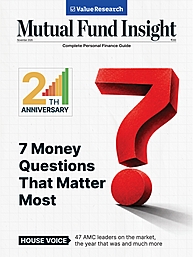
The questions readers put the most energy into are not the ones that will affect their investing success much. The most common worries can be solved simply. Our cover story this month takes seven such worries and answers them. Instead of choosing the worries that are FAQs, we chose the ones where getting the wrong answer will cause the worst problems for investors.
The third cover story (like all anniversary issues, this one too has a number of cover stories) tackles the same type of problem caused by what appears to be a useful new type of fund: lifecycle funds. The basic premise is genuinely useful: you choose the year when you will need the money; the fund automatically does asset rebalancing as that date comes closer, shifting more and more money into safer debt funds. This reallocation is something every investor should do, but almost no one manages to.
However, when we tested this idea against 24 years of actual market data and the goals of three different savers, we found a big problem. Some needs are a single date, while others are a period. A college fee is due on a particular day, but retirement starts on a particular day and can last up to 30-35 years.
You’ll find these stories and much more in this issue, but I must point out one simple fact. These kinds of articles and such thinking lie at the heart of what we do in Mutual Fund Insight and indeed in all our products and services. A financial magazine would generally tell you what exists, what it’s like and then leave you to do everything else. Of course, we do all that too, but we are also here to tell you which questions to ask. That’s because there is no point in worrying about the wrong thing and answering the wrong questions even if the answers are correct. It might be a little confusing.
A direct answer to your question probably feels like help, but being told you should ask a different question might feel like evasion. However, with time, the difference becomes clear.
The worries in our inbox will eventually be replaced by new ones. Other products will launch with big promises; some sales pitches will tempt you to sell a good fund and invest in an untried new one. However, the importance of asking the right questions and getting the answer will remain the same. Our readers have grown far more knowledgeable over these years than I had ever dared to hope. I hope this journey continues for at least another 24 years.
Ask Value Research 


 New episodes every Friday








 New Process Alert
 Seems like you've uploaded a wrong QR code. Please upload the QR code downloaded from MF Central platform.


