 Widely read:




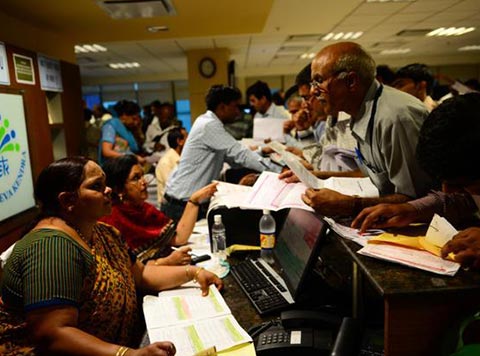
After you file the income tax return (ITR), the tax department takes over and starts by processing your ITR. The return is processed at the department's Centralised Processing Centre (CPC) in Bengaluru. Your ITR may then be reviewed by an assessing officer (AO) in your city. Read more about the AO's functions and duties, and how you can locate one.
Who is an AO?
The AO is appointed by the income-tax department. She has jurisdiction over assessees in a specific geographical area in a city or town, or even over a specific class of assessees. Your interactions with the AO start much before the ITR is filed: your Permanent Account Number (PAN) is allotted by her. It is also her responsibility to ensure timely collection of tax demands and issue the refunds.
One of the AO's biggest roles is to select cases for scrutiny and dispose of them within the stipulated time. In selecting these cases, AOs follow defined departmental guidelines.
The AO is also required to take necessary steps for expanding the tax base in her jurisdiction, apart from performing various statutory functions such as deciding on penalties imposed. An AO can impose and waive penalties, as per her discretion.
It is also her responsibility to ensure that the taxpayers' grievances under her jurisdiction are attended to and redressed.
How to locate your AO?
You can find your AO using your PAN. Log in to the e-filing website of the department, https://incometaxindiaefiling.gov.in. In the "Services" tab, you will find the option "Know Your Jurisdictional AO". Enter your PAN here and submit. You can now read the address, email, and contact details of your AO.
When to approach the AO?
The tax department sends you an intimation after your tax return is processed. The intimation may or may not seek clarifications or additional tax. If demand for more tax is raised, you can either agree and pay the tax demanded, or you can reply to the notices with clarifications.
If the case is not resolved to your satisfaction, you can submit a complaint to your AO. As mentioned above, the AO has to resolve the issue within a stipulated time, which is typically 30 days.
However, if no action is taken or if you are not satisfied by the AO's resolution, you can go to a higher level and approach the chief commissioner of income tax with copies of your previous communications with the AO.
If the commissioner does not reply to your complaint within 30 days or if the complaint is not addressed to your satisfaction, you can escalate the issue to the income tax ombudsman of your region. If you are still not satisfied, you can also approach the courts.
In arrangement with HT Syndication | MINT
This article was originally published on August 05, 2016.
Disclaimer: This content is for information only and should not be considered investment advice or a recommendation.
For grievances: [email protected]
Ask Value Research 

 New episodes every Friday

 New Process Alert
  Seems like you've uploaded a wrong QR code. Please upload the QR code downloaded from MF Central platform.


