





The long-term success of pharmaceutical companies hinges much on research and development (R&D) activities. And for good reason, too. In the pharmaceutical industry, the innovation of new products and upgradation of existing products act as a growth driver. Therefore, R&D costs account for a substantial part of the overall expenses of these companies. Over the last 10 years, the top five pharma companies have collectively invested close to Rs 30,000 crore in R&D activities.
Here a question may come as to why the R&D costs of pharma companies are so high. At times, the success of a new drug comes after a number of failed attempts, which do not generate any revenue for the company but incur additional costs for the company. Besides, various regulatory approvals are required for the commercialisation of a new product. So, quite understandably, the entire process of developing and commercialising a drug is time-consuming, which ultimately results in high costs. These costs are either added to the P&L account or capitalised like fixed assets on the balance sheet.
Now, if a company uses its funds for R&D expenses, then the company's shareholders also expect that these expenses will result in more profitability for the company, which will, in turn, increase shareholders' wealth. But reality speaks a different story.
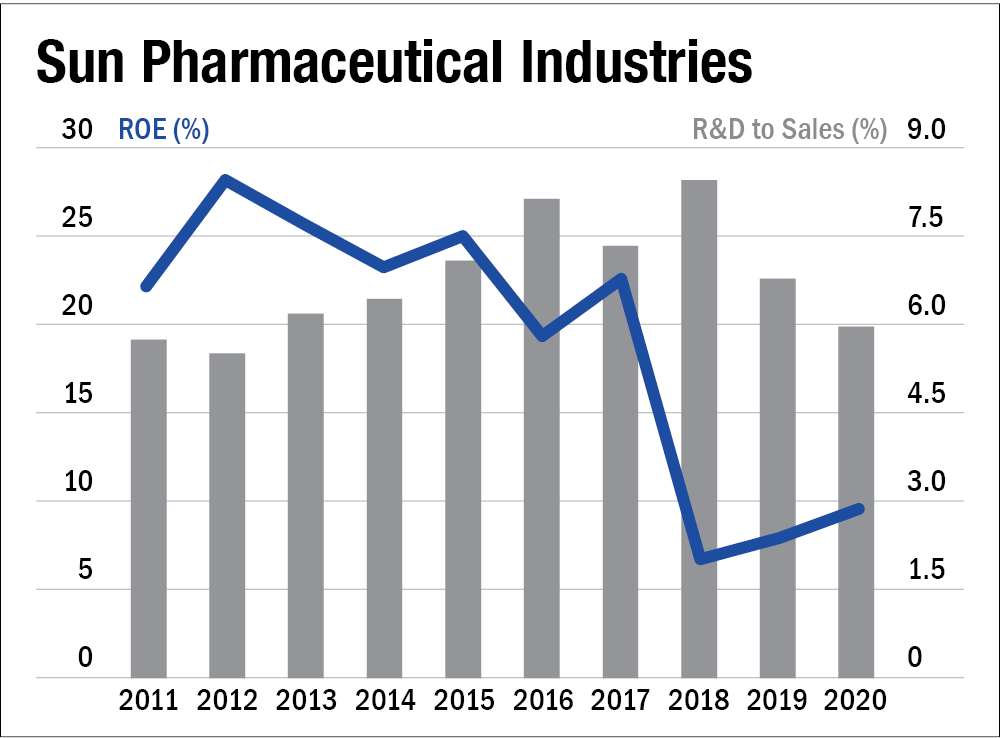
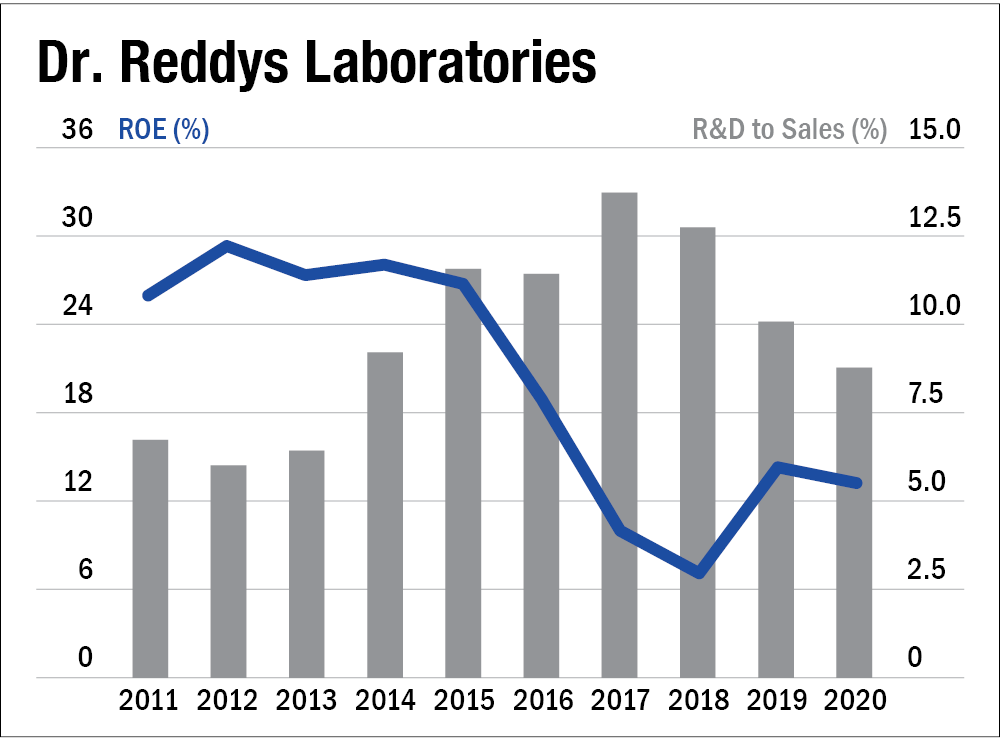
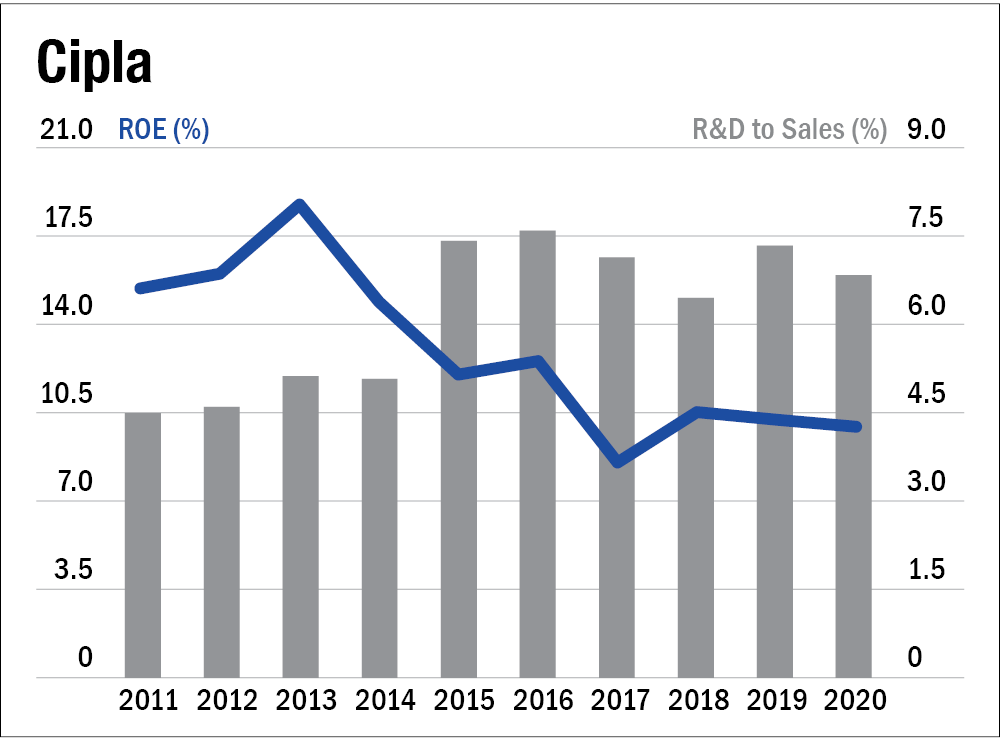
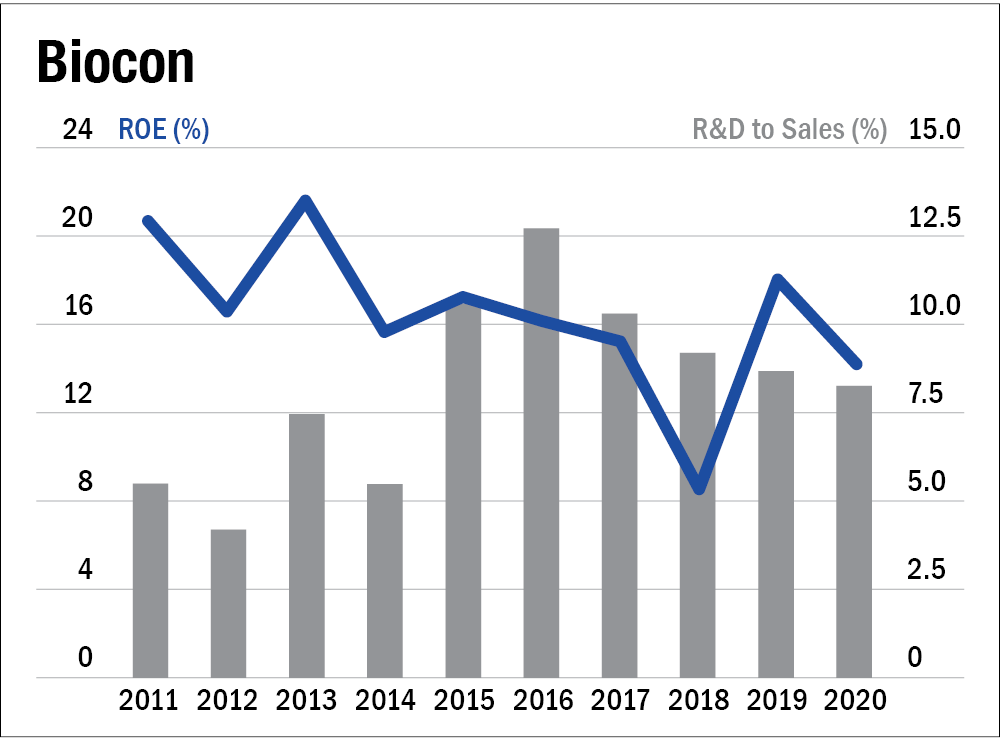
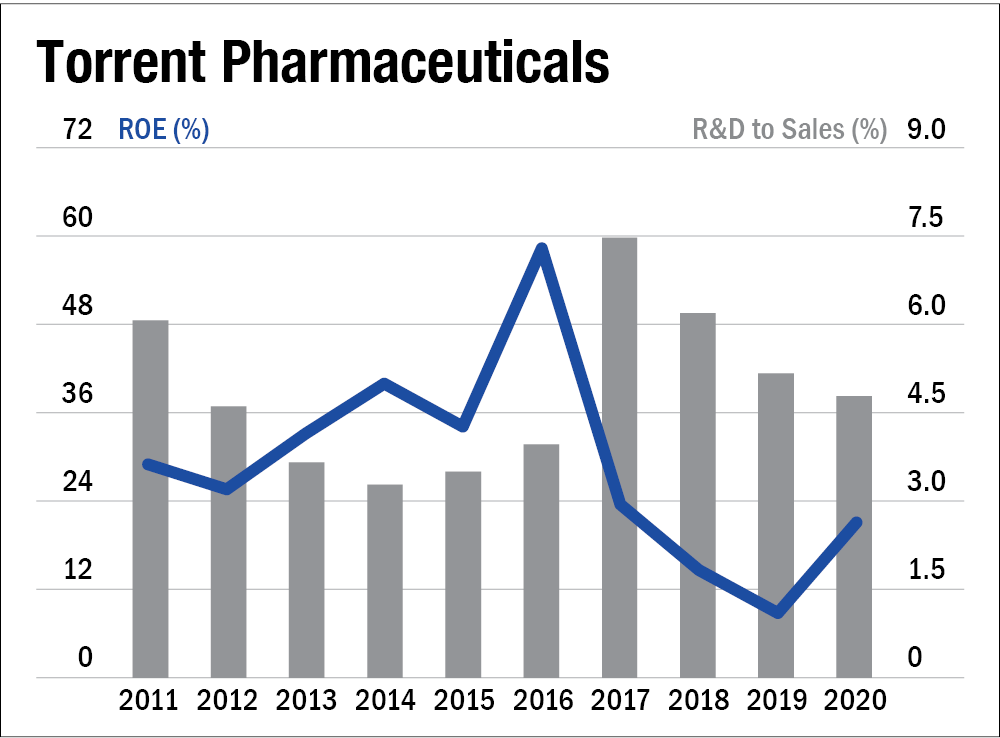
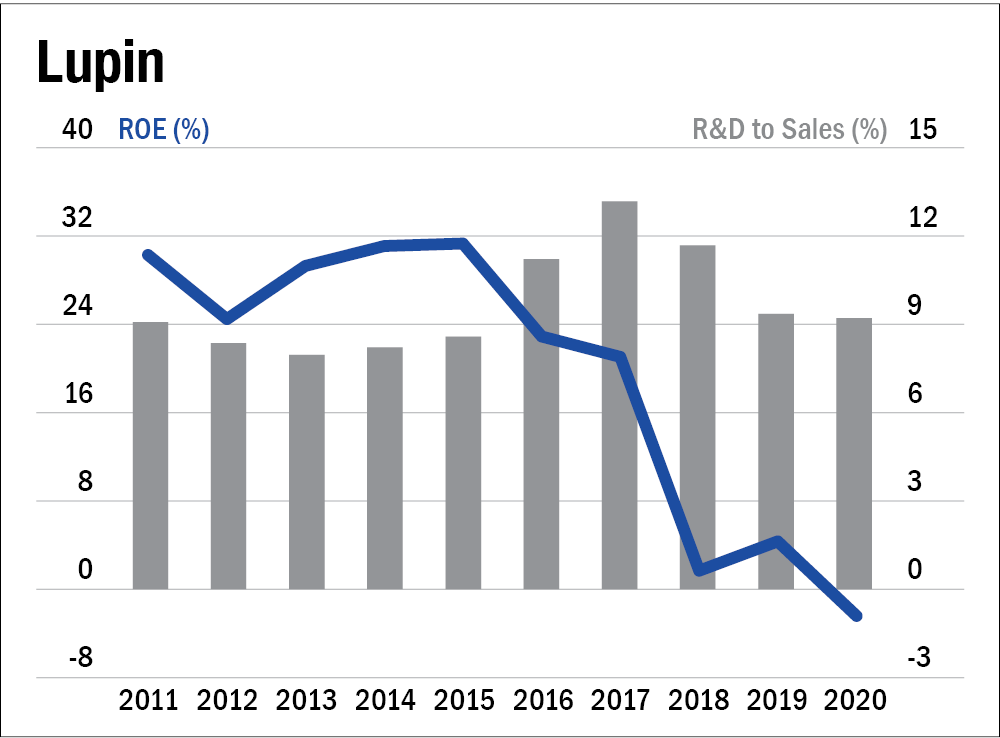
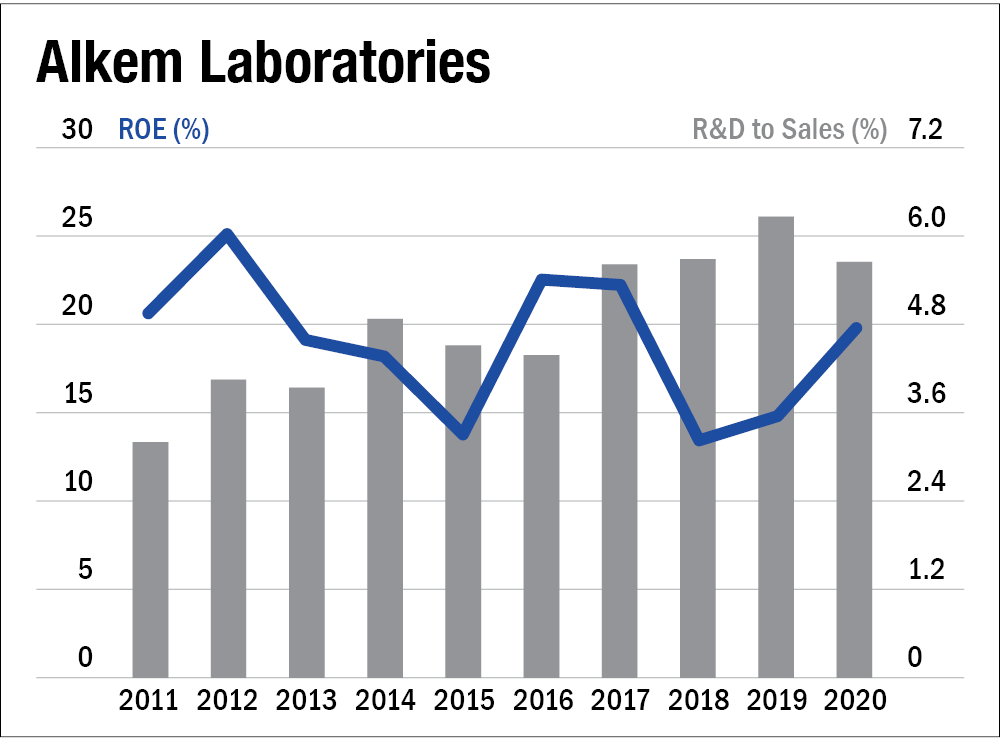
Here, we look at the top 10 pharmaceutical companies by market capitalisation to check their R&D expenditure trends in the last 10 years. Interestingly, while analysing this, we observed that despite an increase in R&D expenses as compared to sales, ROEs of most of these companies have suffered in the last 10 years. It could be attributed to fierce competition in the generic medicine space and low margins due to lower prices as compared to branded medicines. Further, when it comes to developing a new drug, a company needs to spend years on R&D activities before it could actually reap any benefits.



Ask Value Research 
 New episodes every Friday











 New Process Alert
  Seems like you've uploaded a wrong QR code. Please upload the QR code downloaded from MF Central platform.


