 Widely read:


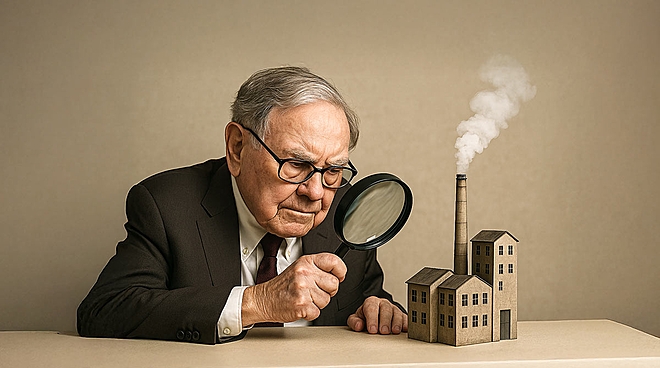
Summary: The decade that made Warren Buffett wasn’t about billion-dollar deals. It was about clarity, restraint and the art of compounding. Read what his 1966-1976 letters reveal.
Summary: The decade that made Warren Buffett wasn’t about billion-dollar deals. It was about clarity, restraint and the art of compounding. Read what his 1966-1976 letters reveal. Warren Buffett’s early years at Berkshire Hathaway read like a slow-burning pivot. What began as a struggling textile business gradually became the foundation of a capital-compounding empire. But that transformation didn’t happen overnight and certainly not by accident. In this instalment of our series on Buffett’s shareholder letters, we revisit the decade between 1966 and 1976—a stretch where the seeds of his modern-day investing philosophy were quietly planted. The letters from this period are not flashy. They don’t feature billion-dollar acquisitions or market predictions. Instead, they are rich with something more valuable: clarity. Let’s walk through a few core ideas that shaped this formative decade. The capital trap of a dying business (1966) The 1966 letter captures the brutal reality of running a capital-intensive business in a fast-moving world. Textiles, Buffett admitted, were a minefield of obsolescence. Machines you bo
This article was originally published on November 01, 2025.
 New episodes every Friday











 New Process Alert
 Seems like you've uploaded a wrong QR code. Please upload the QR code downloaded from MF Central platform.


