




 Adobe Stock
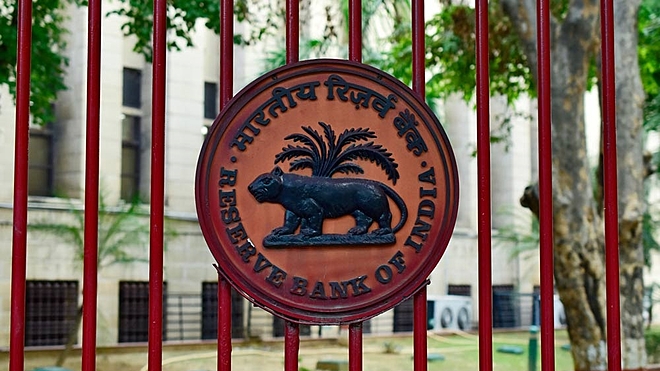
The Reserve Bank of India has cut the repo rate by 50 basis points today (June 6), bringing it down to 5.5 per cent. This is the third cut in a row since February 2025, making it a full 1 per cent drop in four months.
Alongside this cut, the central bank also changed its stance from ‘accommodative’ to ‘neutral’. That’s a signal that the RBI is likely done easing for now.
Why did the RBI cut rates now?
The global scene is tricky — weak international growth, geopolitical uncertainty, and jittery markets. India, meanwhile, has held up better, thanks to stable macro fundamentals and a good monsoon forecast.
The RBI seems to be taking no chances. It wants to support private consumption and investment while inflation remains within its comfort zone. Apart from cutting the repo rate, it’s also reducing the Cash Reserve Ratio (CRR) by 100 basis points in four phases. This will inject about Rs 2.5 lakh crore into the banking system, improving liquidity and helping banks lend more freely.
What it means for your money
For borrowers, the rate cut is good news. Loan EMIs are likely to head lower. But as always, there’ll be a lag before banks pass on the benefit.
For savers, especially those relying on fixed deposits, the outlook isn’t as rosy. With interest rates falling over 1 per cent since February, FD (fixed deposit) rates are set to drop further, not ideal for individuals, especially retirees, who depend on interest income.
What debt fund managers are watching
Bond experts think the RBI has frontloaded most of its support. Now that the stance is neutral, future moves will depend on how inflation and growth shape up.
Mahendra Kumar Jajoo, CIO – Fixed Income at Mirae Asset, said, “The 10-year benchmark bond yield, which has already inched down to around 6.20 per cent, remained largely flat. Most reaction was seen in the shorter end of the curve with money market rates easing further, extending to the 1–3-year corporate bond segment.”
Shriram Ramanathan from HSBC MF echoed a similar sentiment, stating that they remain positive on their outlook for interest rates, with a focus on the short to medium end of the corporate bond curve.
Final word
The RBI has done its bit — for now. Don’t expect further cuts unless the data warrants it. But the liquidity support and lower borrowing costs could help revive demand and lift market sentiment.
For debt investors, short- to medium-duration funds are best placed to benefit in this phase. Equity investors may also find tailwinds from better consumption and corporate spending.
The bottomline: Stay invested with a clear asset allocation plan. Don’t chase rate cycles—instead, align your portfolio with your long-term goals.
Also read: RBI repo rate cut: How it impacts debt mutual funds, FDs and loans
Ask Value Research 

 New episodes every Friday






 New Process Alert
  Seems like you've uploaded a wrong QR code. Please upload the QR code downloaded from MF Central platform.


