 Widely read:


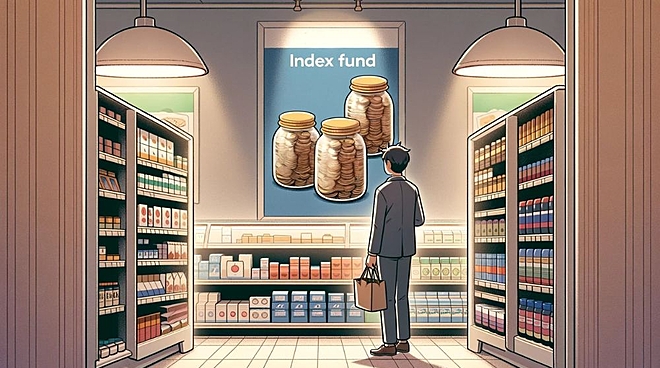

Index investing in India has exploded in popularity over the past few years. In February 2020, the total assets under management (AUM) of index funds stood at just Rs 7,930 crore. Fast forward to February 2025, and this number has surged to a staggering Rs 2,68,488 crore, reflecting the growing investor preference for low-cost, passive investing.
With this surge, the range of index funds available has also expanded significantly. Earlier, investors had only a handful of options - primarily Nifty 50 and BSE Sensex index funds. Today, there are over 300 index funds tracking a diverse range of indices, including:
- Broad market indices: Nifty 50, Sensex, Nifty 500, Nifty Next 50
- Factor-based indices: Nifty Alpha Low Volatility 30, Nifty 200 Momentum 30
- Sectoral indices: Nifty Bank, Nifty IT, Nifty Pharma
- Thematic indices: Nifty India Consumption, Nifty Infrastructure
- International indices: S&P 500, Nasdaq 100, Hang Seng
Despite this growing variety, the core idea behind investing in an index fund remains the same: to gain exposure to a well-diversified basket of stocks in a low-cost, hassle-free manner. Given this, broad-market indices such as the Nifty 50 or BSE Sensex remain the ideal choices for the core part of your portfolio.
Over the past 10 years, the Nifty 50 TRI (total return index) and BSE Sensex TRI has returned around 11 per cent. These returns, combined with low costs, make them a compelling choice for most investors.
While factor-based, sectoral and thematic indices offer additional opportunities, they come with higher risks and cyclicality and should only complement, not replace, broad-market index investments.
Now, once you have selected an appropriate index, how do you pick the right fund tracking it? Here are the key factors to consider.
Suggested read: Passive pretenders
Key factors to consider
1. Expense ratio: Lower the better
Since all index funds tracking the same index invest in identical stocks, the only differentiating factor is cost. The lower the expense ratio, the better your returns over time.
For example, among Nifty 50 index funds, the lowest expense ratio is around 0.05 per cent while some funds charge up to 0.67 per cent, as of February 28, 2025. Over time, this difference can significantly impact returns.
Suggested read: How expense ratio eats into your mutual fund gains
2. Tracking error: How closely the fund matches the index
Tracking error measures how well the fund can mimic the index. Because fund returns can deviate slightly from the index due to factors like cash holdings, fund expenses or execution inefficiencies. That means a lower tracking error is a good sign. It shows the fund is more efficient at replicating index performance.
For instance, the tracking error for Nifty 50 index funds over the past year has ranged from a minimum of 0.01 per cent to a maximum of 0.25 per cent.
Checklist for selecting the right index fund
- Have you chosen a broad-market index (like Sensex/Nifty) for your core portfolio?
- Is the expense ratio among the lowest in its category?
- Does the fund have a low and consistent tracking error?
By keeping these simple factors in mind, you can ensure that your index fund investment serves its intended purpose - low-cost, stress-free and efficient wealth creation.
An investor education and awareness initiative of Nippon India Mutual Fund.
Helpful Information for Mutual Fund Investors: All Mutual Fund investors have to go through a one-time KYC (know your Customer) process. Investors should deal only with registered mutual funds, to be verified on SEBI website under 'Intermediaries/Market Infrastructure Institutions'. For redressal of your complaints, you may please visit www.scores.gov.in For more info on KYC, change in various details and redressal of complaints, visit mf.nipponindiaim.com/InvestorEducation/what-to-know-when-investing
Mutual fund investments are subject to market risks, read all scheme related documents carefully.
Also read: The pros and cons of index investing
This article was originally published on March 17, 2025.
Disclaimer: This content is for information only and should not be considered investment advice or a recommendation.
For grievances: [email protected]
Ask Value Research 










 New Process Alert
 Seems like you've uploaded a wrong QR code. Please upload the QR code downloaded from MF Central platform.


