 Widely read:


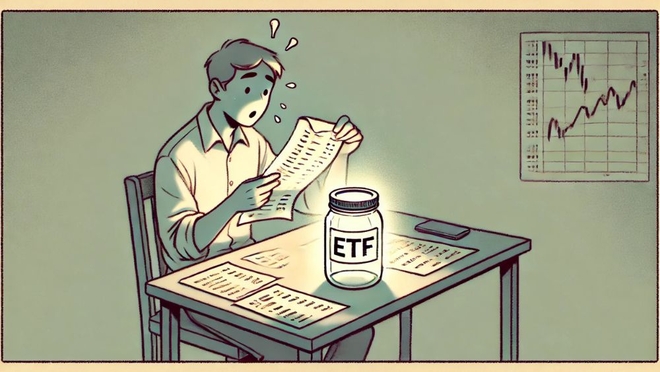
Should you buy individual stocks or invest in ETFs that hold multiple stocks? If you're a beginner, this is one of the first questions you'll face when entering the stock market.
While stocks offer higher return potential, they come with greater risk. On the other hand, ETFs provide diversification, reducing the impact of a single company's performance.
So, which is better for you? Let's compare both options based on risk, cost, diversification, and trading flexibility to help you decide.
What are stocks?
A stock represents ownership in a company. When you buy a stock, you become a part-owner of that business, entitled to profits (dividends) and potential price appreciation.
Key characteristics of stocks
-
High return potential
: If a company performs well, its stock price can rise significantly.
-
High risk
: A poor-performing company can see its stock price collapse.
-
Requires research
: Investors must analyse financial statements, industry trends, and economic conditions.
- Full control : You decide which companies to invest in and when to buy or sell.
Investing directly in stocks is best suited for investors who are comfortable with higher risks and have the time to research individual companies.
Suggested read: Beating the pros
What are ETFs?
An Exchange-Traded Fund (ETF) is an investment fund that holds a basket of stocks and trades on the stock exchange like an individual stock. ETFs track indices such as the Nifty 50 or Sensex, giving investors exposure to multiple companies in a single investment.
Key characteristics of ETFs
-
Diversification
: Spreads risk across multiple stocks, reducing the impact of any one company's performance.
-
Lower risk than individual stocks
: Market downturns affect ETFs less severely than single stocks.
-
Traded like stocks
: You can buy and sell ETFs during market hours.
- Lower costs : Passive ETFs have low expense ratios compared to actively managed funds.
ETFs are best suited for beginners who want stock market exposure without the risk of picking individual stocks.
Suggested read: The one thing you must know before investing in ETFs
ETFs vs stocks - Key differences
| Feature | ETFs | Stocks |
|---|---|---|
| Ownership | Basket of stocks | Individual company stock |
| Diversification | High (holds multiple stocks with one investment) | Low (depends on single company performance); You have to build a diversified portfolio yourself |
| Risk level | Relatively lower | Relatively higher (depends on your skill) |
| Trading | Bought/sold like a stock | Bought/sold individually |
| Investment cost | Lower risk, but management fees apply | No management fees, but higher risk |
| Research effort | Low - no need for stock picking | High - requires company analysis |
| Who it's best for | Beginners who want broad exposure | Investors willing and able to take higher risks |
Which is better for new investors?
Choose ETFs if:
-
You want diversification without picking individual stocks.
-
You prefer lower risk and stable long-term growth.
-
You are looking for a simple, hands-off investment strategy.
- You don't have the time or expertise to research individual stocks.
Choose stocks if:
- You are comfortable with higher risk for potentially higher returns.
- You have the time and knowledge to research and monitor companies.
- You want to build a personalised portfolio of individual companies.
- You enjoy actively managing your investments.
Conclusion
For most beginners, ETFs are the better choice because they offer diversification, lower risk, and simplicity. Stocks, on the other hand, require more research and carry higher risk, making them more suitable for experienced investors.
So, would you rather bet on a single company or invest in an entire market with just one trade?
An investor education and awareness initiative of Nippon India Mutual Fund.
Helpful Information for Mutual Fund Investors: All Mutual Fund investors have to go through a one-time KYC (know your Customer) process. Investors should deal only with registered mutual funds, to be verified on SEBI website under 'Intermediaries/Market Infrastructure Institutions'. For redressal of your complaints, you may please visit www.scores.gov.in For more info on KYC, change in various details and redressal of complaints, visit mf.nipponindiaim.com/InvestorEducation/what-to-know-when-investing
Mutual fund investments are subject to market risks, read all scheme related documents carefully.
Also read:
Index funds vs ETFs: What's the difference?
The pros and cons of index investing
This article was originally published on March 10, 2025.
Disclaimer: This content is for information only and should not be considered investment advice or a recommendation.
For grievances: [email protected]
Ask Value Research 










 New Process Alert
 Seems like you've uploaded a wrong QR code. Please upload the QR code downloaded from MF Central platform.


