 Widely read:


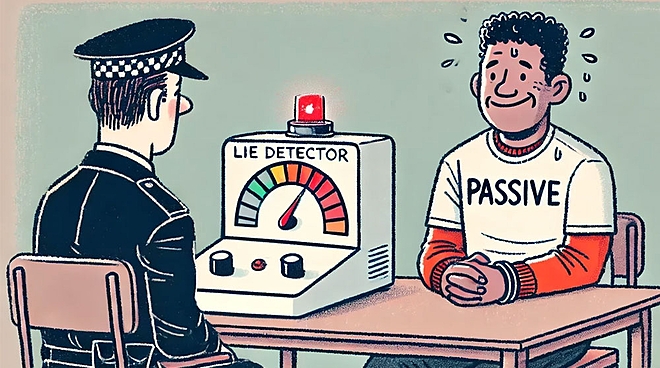 AI-generated image


There's a curious charade playing out in the Indian mutual fund industry, one that turns the very concept of passive investing on its head. Fund houses have discovered a convenient loophole in SEBI's regulatory framework and are enthusiastically exploiting it.
SEBI sensibly limits AMCs from launching just one actively managed fund in each plain category. This prevents the proliferation of near-identical products and reduces investor confusion. One large-cap fund, one mid-cap fund, and so on - a straightforward approach that benefits everyone. Except there's a catch. This limitation doesn't apply to passive funds. If there's an index, a fund can be launched based on it. And therein lies the opportunity that fund houses have pounced upon - commission custom indices and launch 'passive' funds tracking them.
Suggested read: Sectoral & thematic funds are making everyone good money. Time to bite?
The result? An absurd multiplication of indices. The National Stock Exchange now offers at least 120 equity indices, while the Bombay Stock Exchange has at least 64. While not all are created specifically for fund houses, they're readily available for AMCs. We now have indices with names like "Alpha Quality Value Low Volatility 30", "EV & New Age Automotive", "ESG", "Enhanced ESG", and my personal favourite, "ESG Sector Leaders"! This isn't innovation; it's clutter masquerading as choice.
Let's be clear about what's happening. These aren't genuine passive funds in the spirit of the concept. True passive investing is about simplicity - capturing the overall market return without attempting to outperform it. When you invest in a Nifty index fund or a Sensex fund, you buy the market, not making a specific bet on which segment will outperform. However, these new-age 'passive' funds require very active decisions from investors. Should you invest in a banking index fund or a healthcare one? An ESG index or a momentum index? Suddenly, you're making precisely the kind of allocation decisions you were trying to avoid by choosing mutual funds in the first place.
Suggested read: Sectoral delusions
The entire point of investing in a mutual fund is to outsource these decisions to professionals. You pay a fund manager to determine which sectors are attractive, which themes have potential, and which stocks represent good value. When you select a thematic 'passive' fund, you're effectively taking back that responsibility while still paying for professional management. It's worth remembering why passive investing gained popularity in the first place. Research does show that most active managers fail to beat broad market indices over the long term. However, the solution wasn't to create hundreds of narrow indexes but simply to track the broad market cheaply.
We're witnessing active management in disguise - fund houses creating bespoke indices that reflect particular investment viewpoints, then labelling the resulting products as 'passive'. This gives them two advantages: they can launch multiple funds in otherwise restricted categories and promote new funds (which are always easier to sell than existing ones).
Suggested read: John Clifton Bogle, R.I.P.
However, the consequences for investors are less beneficial. The proliferation of these quasi-passive funds adds to the overwhelming array of investment options. It places the burden of sector and thematic allocation squarely on your shoulders - a task that requires expertise, time, and a deep understanding of markets. Moreover, these narrowly focused index funds often carry higher expense ratios than true broad-market index funds, eroding one of the key benefits of passive investing - low costs.
The solution? Return to first principles. If you choose passive investing, embrace its genuine philosophy: broad market exposure, minimal costs, and simplicity. Combining one or two broad-market index funds will serve most investors better than a collection of narrow thematic funds. If you want exposure to specific sectors or themes, consider whether a well-managed, diversified active fund better serves that purpose. At least then, you're explicitly paying for the manager's expertise to shift allocations as market conditions change.
In investing, as in many areas of life, simplicity often trumps complexity. When 'passive' becomes this active, it's time to step back and question what we're really paying for.
Also read: The Index Investing Revolution: Why Everyone's Talking About It
Ask Value Research 
 New episodes every Friday











 New Process Alert
 Seems like you've uploaded a wrong QR code. Please upload the QR code downloaded from MF Central platform.


