 Widely read:


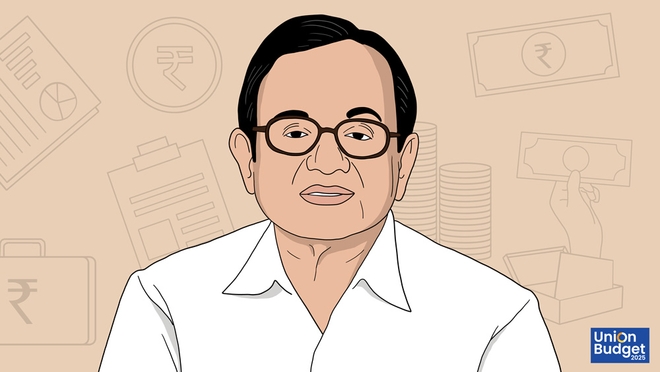
When simplicity meets vision, transformation follows. On February 28, 1997, Finance Minister P. Chidambaram presented the "Dream Budget," a landmark reform that redefined India's tax landscape and revitalised its economic trajectory. By slashing income tax rates, streamlining corporate taxes, and introducing innovative schemes like the Voluntary Disclosure Scheme, the Budget inspired compliance, bolstered growth, and attracted investments. As India stood at the crossroads of its post-liberalisation era, the Dream Budget emerged as a blueprint for simplicity, fiscal prudence, and sustained progress, laying the foundation for a modern, globally competitive economy.
The context: Winds of change
By the mid-1990s, India was reaping the benefits of the liberalisation reforms initiated in 1991. GDP growth had stabilised at around 7 per cent over the previous three years, inflation was under control, and foreign investments were flowing in. However, challenges persisted - a complex and cumbersome tax system, low compliance rates, a widening fiscal deficit, and the need to maintain the momentum of economic reforms.
The United Front government, led by Prime Minister H.D. Deve Gowda, was navigating a coalition setup, where political compulsions often slowed down decision-making. Chidambaram, representing a regional party, faced the dual task of balancing political dynamics and introducing bold reforms. As he stepped up to present the Budget, he remarked: "The best reform is one that is simple and easy to understand."
Breaking barriers: Simplifying taxation
The hallmark of the Dream Budget was its transformational approach to taxation. Chidambaram focused on making the tax regime simpler, fairer, and growth-oriented.
Income tax overhaul
- Personal income tax rates were rationalised to 10, 20, and 30 per cent from the previous 15, 30, and 40 per cent.
- These changes aimed to increase compliance and reduce tax evasion.
Corporate tax reforms
Reduced corporate tax rates boosted business confidence and attracted foreign investment.
Voluntary Disclosure Scheme (VDS)
Offered a chance to declare unaccounted wealth by paying a tax, bringing Rs 10,000 crore into the government's coffers.
Beyond taxes: Building for the future
The Dream Budget wasn't just about taxes - it was a comprehensive roadmap for growth:
- Customs duty cuts: Peak rates were slashed from 50 per cent to 40 per cent, making India's trade regime globally competitive.
- Infrastructure focus: Significant allocations were made to infrastructure development, recognising it as a critical growth driver.
- Navratna public sector reform: Nine top-performing PSUs, including ONGC and BHEL, were granted autonomy to improve efficiency and profitability.
- Minimum alternate tax (MAT): Introduced to ensure that companies showing profits in their financial statements still pay a minimum amount of tax, even if they reduce their taxable income using exemptions and deductions.
These measures reflected a balanced vision of reform and fiscal responsibility, fostering a growth-friendly environment.
The legacy of the Dream Budget
Chidambaram's Dream Budget was not without its critics. While the tax cuts were lauded, some questioned the efficacy of the Voluntary Disclosure Scheme. Yet, its impact on the economy was undeniable. Tax compliance improved, foreign investment surged, and the reforms laid a foundation for India's future as an emerging economic powerhouse.
Comparing the 1997 reforms to today's initiatives, it becomes evident how pivotal moments like these have shaped the modern tax structure, reinforcing transparency and simplicity.
A vision of simplicity and growth
Chidambaram concluded his speech by quoting Tamil poet-saint Thiruvalluvar: "Behold the king who listens to rebuke; he will not falter." His Dream Budget was a rebuke to inefficiency and complexity, embracing progress through transparency and simplicity.
The Dream Budget of 1997 remains a landmark in India's economic journey, exemplifying the power of bold reforms and clear vision. It transformed taxation from a punitive system to a growth-oriented one, setting the stage for India's emergence as an economic powerhouse.
Continue your journey through "Blueprints of a Nation"
Revisit the previous chapter: 1991: The Budget that changed India forever
Discover the next chapter: The People's Budget of 2005: Building an inclusive India
Follow the unfolding story of how the Union Budget has served as a blueprint for India's growth and progress since independence.
Disclaimer: This content is for information only and should not be considered investment advice or a recommendation.
For grievances: [email protected]
Ask Value Research 

 New episodes every Friday








 New Process Alert
 Seems like you've uploaded a wrong QR code. Please upload the QR code downloaded from MF Central platform.


