 Widely read:


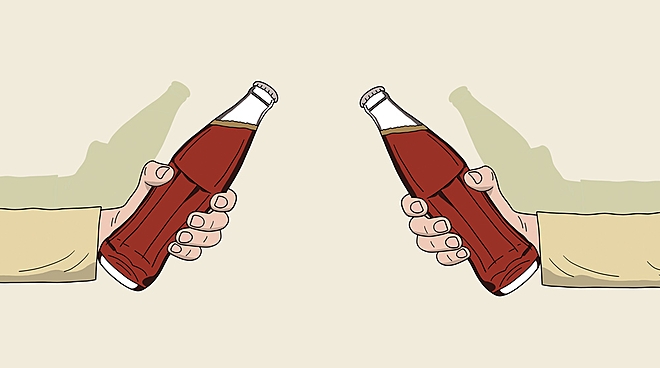
Indian politicians, regardless of whether they lean ideologically to the left or the right, have very little faith in markets. It makes them want to shape the economy with government directions and controls. Coca-Cola's history in India should give pause to politicians with such beliefs. The entry, exit and re-entry of Coca-Cola in India Coca-Cola entered India in the 1950s, about a decade after independence. It had a good run till the first non-Congress party government was elected after the emergency in the late 1970s. Prime minister Morarji Desai led it. The industry minister in this government, George Fernandez, asked Coca-Cola to leave India. Coke had 100 per cent equity in its India business. However, the new industrial policy required foreign enterprises operating in non-priority sectors to reduce their equity to not more than 40 per cent in their Indian subsidiaries. Coke was willing to transfer 60 per cent of the shares of its Indian firm to a local partner in compliance with the new policy. Still, Fernandez, overtaken by swadeshi sentiments, insisted that it also reveal its secret recipe for Coca-Cola to its Indian shareholders. Coke guards this formula zealously. Fernandez told Coke it better exit the country if it wasn't prepared to share the secret formula. Coke preferred not to part with the secret formula and wound up its business in
This article was originally published on November 07, 2024.
 New episodes every Friday









 New Process Alert
 Seems like you've uploaded a wrong QR code. Please upload the QR code downloaded from MF Central platform.


