 Widely read:


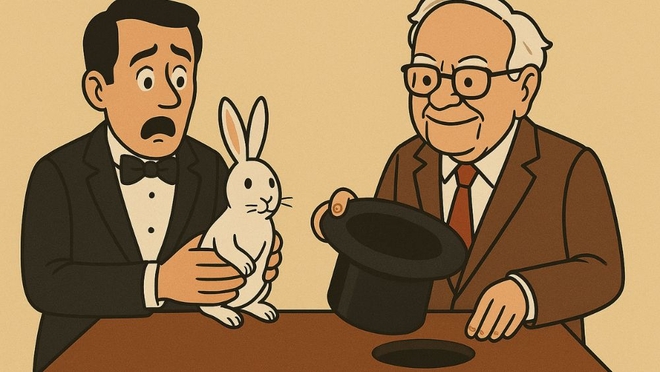 AI-generated image

By the early 2000s, Wall Street was grappling with a growing sense of distrust. The dotcom bubble had burst, leaving many investors burned, and corporate scandals like Enron and WorldCom shattered faith in financial reporting. In the midst of this turmoil, Warren Buffett stepped forward with his trademark clarity, questioning the practices that were driving the market's instability and calling out the myths that were masking the risks. Buffett's letters from 2002 to 2004 may not have been his most glamorous but they were some of the most consequential. They marked a shift from Buffett as the sage investor to the outspoken critic, unafraid to call out the systemic issues threatening the financial world. We lay out his insights in this story, part of our series on his annual letters. Derivatives: When profits are made up and the risk is real In 2002, Buffett famously called derivatives "financial weapons of mass destruction." That line made headlines. But the deeper insight was this: derivatives are not just risky—they are deceptive. Derivatives are essentially contracts that promise future payments based on the value of something else—like interest rates, stock prices, or even the weather. What's troubling is that before these contracts settle, companies can record these future promises as either profits or losses, even though no actual money has exchanged hands yet. To value these contracts, companies often rely on internal models—called "mark-to-model"—rather than actual market prices. In theory, it sounds reasonable, but in practice, this can lead to inflated profits on paper and bloated bonuses for executives. Buffett called this "mark-to-myth
This article was originally published on April 25, 2025.

 New episodes every Friday











 New Process Alert
 Seems like you've uploaded a wrong QR code. Please upload the QR code downloaded from MF Central platform.


