 Widely read:


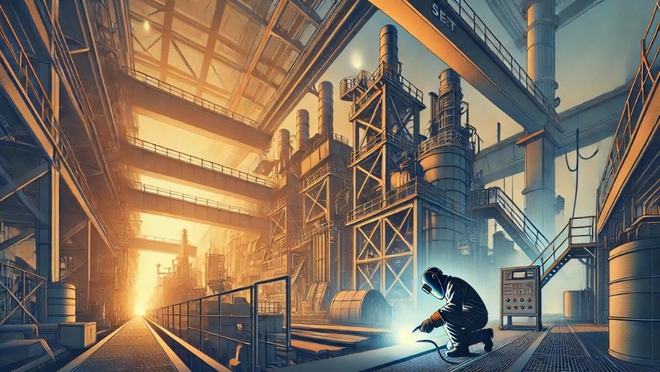 AI-generated image

Graphite electrodes don't make for glamorous headlines like lithium or semiconductors. But without them, the steel industry would be a bit rusty. They're critical to modern steelmaking, used in cleaner electric arc furnaces (EAFs), which use electricity to melt scrap steel. In this niche market of only four to five major players globally (outside China), one of them is from India. Noida-based HEG is among the largest graphite electrode manufacturers in the world which makes nearly 70 per cent of its business from exports. The company is betting big on an industry shift—steel production is moving away from traditional blast furnaces to EAFs that use graphite electrodes in what's a cleaner and more sustainable steelmaking process. In theory, this should boost demand for both EAFs and graphite electrodes. But the trends so far have been disappointing. The global graphite electrode market has been in a funk. Since the pandemic, EAF adoption has slowed. China, once expected to lead the charge, saw fewer usage of EAFs. As a result, the country flooded the global market with surplus electrodes, lowering prices from $3,000-$4,000 per tonne to just $2,000. Adding to the pressure, global steel production itself is slowing, stalling growth in electrode demand. Global steel output, China's EAF-based output stuck in stagnation (in mn tonne) China EAF steel output Global steel output 2022 97 1,888 2021 98 1,952 2020 98 1,878 2019 103 1,874 2018 99 1,808 2017 81 1,675 2016 51 1,606 2015 47 1,620 2014 48 1,670 2013 48 1,649 Note: 2023 and 2024 numbers for China's EAF p
This article was originally published on March 29, 2025.

 New episodes every Friday









 New Process Alert
 Seems like you've uploaded a wrong QR code. Please upload the QR code downloaded from MF Central platform.


