 Widely read:


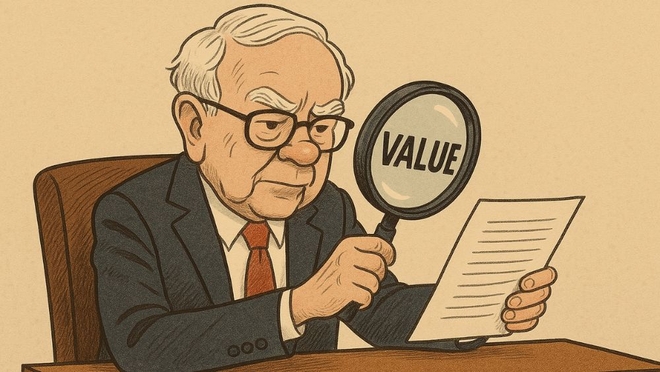 AI-generated image

Investing isn't just a numbers game. It's a mindset, one that cuts through flashy headlines, quarterly hype, and spreadsheet clutter to get to the heart of what really matters: preserving value. Back in 1983, Warren Buffett dropped some cardinal lessons on how to truly evaluate a business, from assessing competitive advantages to accounting goodwill. This story, part of our series , unpacks Buffett's timeless insights shared in his 1983 letter to Berkshire shareholders. When appraising a business, start with one simple question Buffett has a knack for boiling down complex ideas into practical questions. His approach to business appraisal starts with a simple question: "If I had ample capital and skilled personnel, how would I like to compete with this business?" It's a clever litmus test. Instead of just analysing balance sheets and revenue growth, Buffett's focus is on assessing competitive advantage. If you believe you could easily replicate a business' success with sufficient resources, that's a business you should avoid. It means the company likely lacks a durable moat—something that sets it apart from competitors. Think of it this way: if you were to start a new business today, would you want to go head-to-head with Coca-Cola or Apple ? Probably not. Their strong brands, established networks, and customer loyalty create formidable barriers to entry. In contrast, businesses that rely on undifferentiated products or low margins are much easier to challenge and disrupt. Before diving into a company's financials, ask yourself whether it would be tough to compete with this business if you had all the resources in the world? If the answer is yes, you might be looking at a strong contender for long-term investment. Look beyond short-term results One of the most common investing mistakes is judging a company's performance based on short-term results. Buffett cuts through this misconception with a brilliant analogy: "Why should the time required for a planet to circle the sun synchronise precisely with the time required for business actions to pay off?" In other words, one-year results are often meaningless. They might reflect transient issues or short-lived successes rather than fundamental performance. Instead, Buffett suggests using a five-year rolling average as a rough yardstick for assessing economic performance. If the average annual gain over five years falls well below the return on equity (ROE) achieved by the broader market, it's likely not a solid investment. Buffett is essentially warning that if an investment's five-year average annual return is lower than the average ROE of the broader market, it may indicate that the investment is underperforming relative to what could have been achieved by simply investing in a diversified portfolio of average Indian businesses (i.e., a broad-market index fund or ETF). Given that the average ROE o
This article was originally published on March 27, 2025.

 New episodes every Friday










 New Process Alert
 Seems like you've uploaded a wrong QR code. Please upload the QR code downloaded from MF Central platform.


