 Widely read:


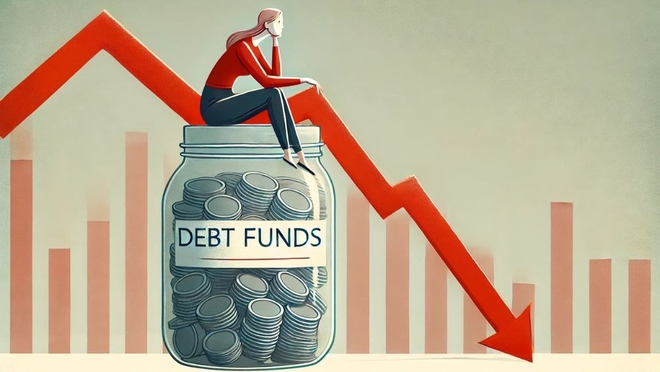 AI-generated image

The rate-cut cycle has already started, with the Reserve Bank of India (RBI) cutting the repo rate from 6.5 to 6.25 per cent in its last policy meeting—its first rate cut in around five years. And with the next monetary policy scheduled for April 7 to 9, there are chances the repo rates are slashed further. Whether we'll see another cut during this meeting is uncertain, but the direction is clear: we are now in the early stages of a falling interest rate cycle. In such a time, a key question arises for investors: which type of debt (fixed-income) mutual fund is best suited to this environment? Why interest rates matter to debt funds To understand which fixed-income category works best, it's important to first grasp how interest rates impact the returns of debt funds. Debt mutual funds invest in bonds that pay a fixed interest (called a coupon) for a certain period. When interest rates fall, newly issued bonds start offering lower interest. This makes existing bonds—paying higher rates—more valuable. As a result, their prices rise. Since mutual funds hold these bonds, a price rise increases the fund's net asset value (NAV), leading to capital gains for investors. However, not all bonds behave the same way. Bonds with longer maturity periods (or higher duration) react more sharply to changes in interest rates than short-term bonds. This means: When rates fall → long-duration bond prices rise more → long-duration funds deliver higher returns When rates rise → long-duration bond prices fall more → long-duration funds suffer steeper losses In contrast, short-duration funds

 New episodes every Friday








 New Process Alert
 Seems like you've uploaded a wrong QR code. Please upload the QR code downloaded from MF Central platform.


