 Widely read:


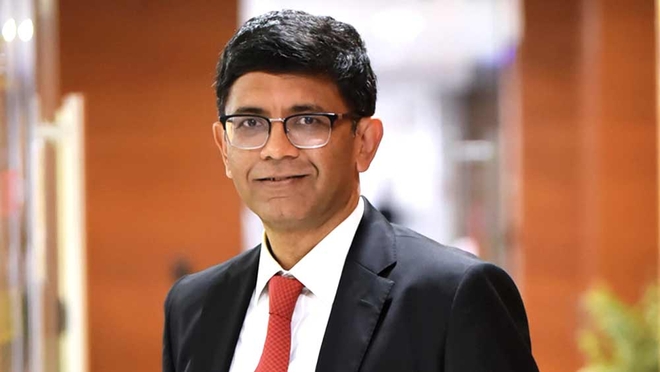
Anish Tawakley, Co-CIO, Equity at ICICI Prudential Mutual Fund, began his career as a consultant but soon realised his passion for the analytical aspects of the field. This led him to transition to the markets, which he saw as a 'better place' to apply his skills. Currently, Tawakley manages assets worth nearly Rs 97,000 crore across five equity schemes, including the ICICI Bluechip Fund, the AMC's largest fund. In this interview, he shares insights into his stock-picking approach, emphasising the importance of avoiding 'recency bias' in investing. He also explains the 'barbell' strategy applied across his funds, his outlook on the Manufacturing sector, and why the fund house does not follow a 'value' investment philosophy. You have diverse experience working for organisations like McKinsey, Bernstein, Barclays and Credit Suisse. Now, you are the Co-CIO of Equity at ICICI Prudential AMC. How have things progressed, and how much of it was planned? That's difficult, but let me explain how it worked out. At IIM Bangalore, where I pursued my post-graduation, I fell in love with economics. Consulting was a natural progression, particularly strategy consulting, as it was all about applying economic principles to business strategies. I used to love the analytical aspects of consulting. Over time, I realised that markets would be a better place to apply the same thinking. In consulting, you are helping businesses develop their strategy and plan execution. In markets, it's the other side of the coin - you're choosing between companies based on if their strategy is right or if they can execute that strategy. So, while my fund management is very research-oriented, I like to understand and form an independent view of what I think will happen to this industry and what will happen to this company over time. A lot of time is focused on forecasting earnings rather than discussing the right multiples. There's no point in discussing multiples if you don't have a good grip on the earnings. Has this approach helped you avoid overhyped companies or spot undervalued ones others overlook? In short, it hasn't. I think investing is about st
This story is not available as it is from the Mutual Fund Insight January 2025 issue
Read other available articlesAdvertisement

 New episodes every Friday











 New Process Alert
 Seems like you've uploaded a wrong QR code. Please upload the QR code downloaded from MF Central platform.


