 Widely read:


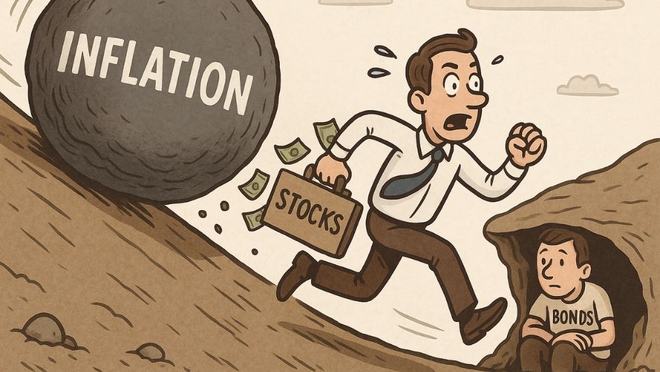 AI-generated image

By the time Buffett penned his 1977 letter to Berkshire Hathaway shareholders, he had already been managing money for over two decades. But this letter—and the accompanying Fortune article he wrote that same year—hit a different note. Less about what Berkshire had done and more about what investors needed to understand. It was Buffett the educator, not just the capital allocator. This instalment in our ongoing series on Buffett's letters captures a turning point. It's where he says, almost bluntly: the game has changed, and most people have not noticed. It's also where he begins articulating one of his most enduring ideas—that equities, like bonds, come with a "coupon", and it's not as glamorous as most investors assume. Let's break it down. Return on equity: What actually matters Buffett starts where most corporate leaders stop: record earnings. He is not impressed by companies that grow EPS while quietly piling on equity. A 10 per cent bump in equity producing a 5 per cent bump in earnings? That's compounding, yes but nothing to celebrate. Instead, he insists on a more telling metric: return on equity (ROE). "Even a dormant savings account will produce steadily rising interest earnings each year," he reminds us. What matters is what the business earns on its net worth, not how much it grows for growth's sake. That single shift in perspective sets the stage for everything else. Tailwinds, headwinds, and the role of luck Not all business success is created equal. Some businesses enjoy tailwinds like secular trends, favourable e
This article was originally published on September 11, 2024, and last updated on April 03, 2025.

 New episodes every Friday











 New Process Alert
 Seems like you've uploaded a wrong QR code. Please upload the QR code downloaded from MF Central platform.


