 Widely read:


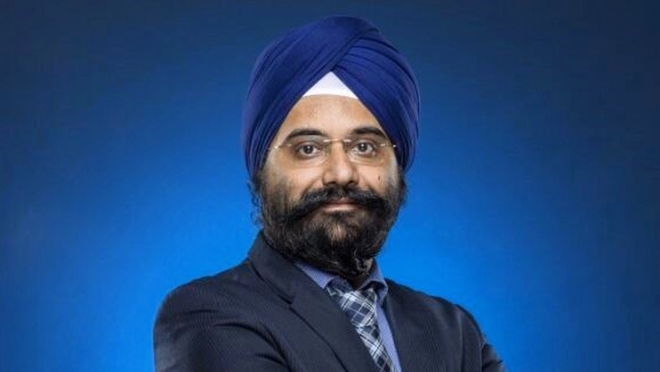

Charanjit Singh, a fund manager at DSP Mutual Fund, oversees three prominent schemes - the DSP ELSS Tax Saver, DSP Equity Opportunities, and DSP T.I.G.E.R. Fund - with assets totalling approximately Rs 27,600 crore. In this interview, Singh delves into his foray into the financial markets, elaborates on his investment philosophy, and discusses the current market environment. Here is the edited transcript of the interview. What sparked your interest in equity investing? Given your extensive experience as an analyst, what prompted the shift to fund management at that particular stage in your career? Equities research intrigued me because the markets were all about the smartest individuals trying to learn a lot while also making money. Equity research is all about ongoing learning; you're evolving, the data points are changing, and you need to comprehend both the global and domestic macros. As a result, I believe that equity research provides a unique opportunity for knowledge enrichment. I believe few other professions provide such extensive learning opportunities. Equity research allows you to use your analytical skills, handle large amounts of data, and examine behavioural elements. So, these things piqued my interest when I considered equities research as a career possibility. Regarding the second question, as someone who has worked in sell-side (analyst) research for over 16 years, I believe it is all about covering a particular set of stocks, doing extensive research on those stocks, and consistently making recommendations. So, you are an opinion-maker and not a decision-maker. I believe each analyst must go through the process of moving from opinion-maker to decision-maker. So the transition for an equity analyst is as follows: initially, you are on the sell side, covering stocks; next, you become a buy-side analyst; and finally, you enter the buy side, or the asset management business and start covering the companies which are suggested to internal fund managers. As your hit rate (outperformance of stocks) increases, the fund manager's responsibilities become more apparent. And I believe that going through this learning period is a crucial step for everybody. You need to go through that grilling to make the correct decisions. You will

 New episodes every Friday








 New Process Alert
 Seems like you've uploaded a wrong QR code. Please upload the QR code downloaded from MF Central platform.


