 Widely read:


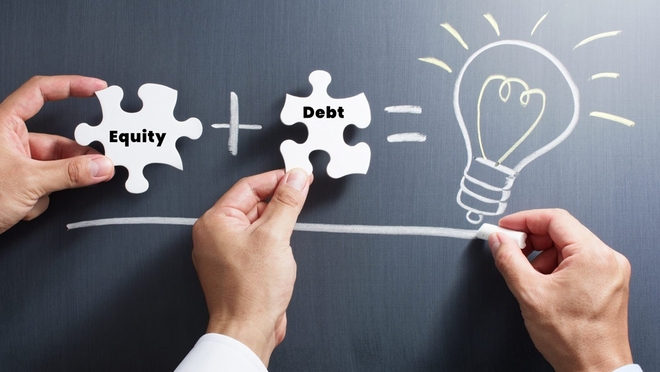

Hybrid funds can be everybody's Mr Dependable, as they cater to all types of investors — conservative, moderate or aggressive. What makes them reliable is that they are largely a blend of equity and debt investments. The equity-debt combination offers reassurance because the equity side of it does well in a rising market, while the debt part comes to the fore in a falling market. Besides shielding you against market unpredictability, hybrid funds have the ability to outpace inflation over the long haul. What makes them versatile? Simplicity: Although there are different ways to build a portfolio, hybrid funds offer the most straightforward method. One or two hybrid funds (depending upon the scale of your investment) with contrasting investment styles can be a pretty wholesome portfolio. Not only that, this portfolio would be easy to track. Diversity: It is crucial to have a well-diversified portfolio with a mixture of equity and debt. Even within equity, there should be a blend of large, mid and small caps. That way, you don't take any undue risk. By investing in both equity and debt in different proportions, hybrid funds provide you with a ready-made asset allocation - the best of both worlds on one platter. Tax-efficiency: Hybrid funds are designed to rebalance your equity and debt allocation automatically. This feature allows them to be tax-efficient. In contrast, manually rebalancing a portfolio by buying and selling equity and debt funds would require paying attention to short-term or long-term capital gains tax. Types of hybrid funds There are seven sub-categories of hybrid funds. However, not all of the seven make for great products. (✅ - Recommended) Type Where they invest Suitable for 5Y return* (in %) Risk (worst 1Y return)* (in %) Taxation Aggressive hybrid ✅ Predominantly equity with a small portion of debt Wealth creation 11 -22 Taxed at the rate of 10% Balanced hybrid
Continue reading your article with a Fund Advisor subscription.
Subscribe Now
Already a subscriber ?Log In
Advertisement

 New episodes every Friday








 New Process Alert
 Seems like you've uploaded a wrong QR code. Please upload the QR code downloaded from MF Central platform.


