 Widely read:


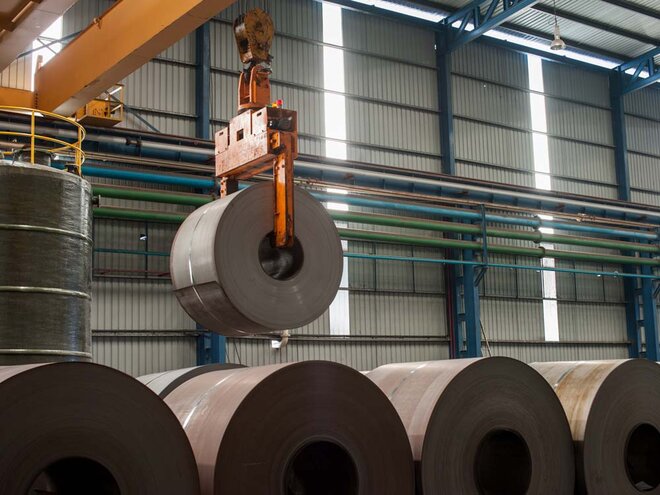
Incorporated in 2002, Shyam Metalics and Energy is a metal-producing company that focuses on long-steel products and ferroalloys. The company is one of the largest producers of ferro alloys and the fourth-largest name in the sponge iron industry with regard to the installed capacity. Since the commencement of its operations, the company has been delivering operating profits every year. Currently, the company has three manufacturing plants with a total installed capacity of 5.7 million tonnes per annum (MTPA), along with captive power plants with an installed capacity of 227 MW as of December 2020. Now, the company plans to expand its capacity to 11.6 MTPA and 357 MW by FY2025. The company has a diversified product mix, including long-steel products such as iron pellets, sponge iron, steel billets, TMT, wire rods and ferroalloy products. Two of its manufacturing plants work as 'ore to metal,' which operates across the value chain of steel manufacturing and it helps the company maintain margins and insulate it from price volatility. The company sells its products across 13 states and 1 union territory through 42 distributors (as of December 2020). Strengths Its plants are located near to rich mineral belts of India, which provide close proximity to raw-material sources. It ultimately helps in reducing transportation costs and increasing operational efficiencies. The company utilises its waste materials or by-products, such as pollution ducts, waste heat and solid waste, as the raw materials for its captive power plants. The company generates almost 90 per cent of its power consumption through these plants at an average rate of Rs 2.24 per kwh, while Rs 5-7 is charged for the grid power. As one of the few companies in India, the company has captive railway sidings. It helps in the reduction of freight costs and turnaround time when it comes to the transportation of raw materials to plants and finished products to customers. The company has a diversified product mix, along with the forward and backward integration of its manufacturing plants. It provides the company with the flexibility to sell intermediate products, as well a

 New episodes every Friday














 New Process Alert
 Seems like you've uploaded a wrong QR code. Please upload the QR code downloaded from MF Central platform.


