 Widely read:


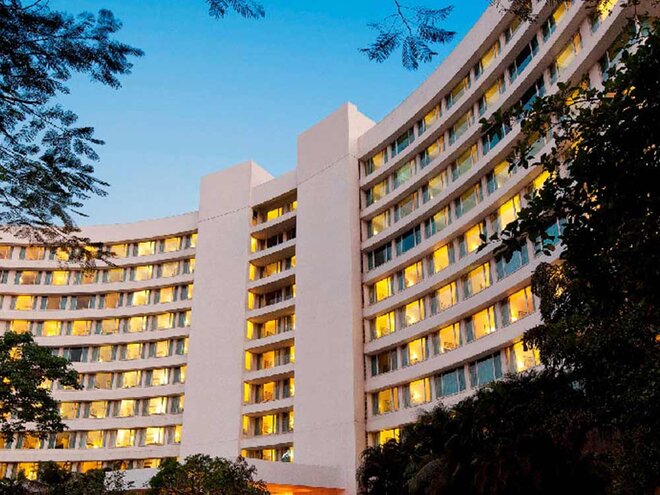
Introduction IPO market has been going through a dry spell for the past four months. The NBFC (Non-Banking Finance Companies) crisis which erupted in September-October of 2018 led to drying up of funds. This in turn drove companies away from the IPO markets. Ending this hiatus, Chalet Hotels have come up with the first IPO of 2019. Chalet Hotels, part of the K. Raheja Corp group is an owner, developer and asset manager of luxury hotels in India. The company's hotels are currently branded with global hospitality brands such as JW Marriott, Westin, Marriott, Marriott Executive Apartments etc. It also develops commercial and residential spaces in close proximity to its hotels. At the moment, the company has five operational properties located in the key metro cities of Mumbai, Bengaluru and Hyderabad. Out of these, one is managed by Chalet and the remaining four are managed by Marriott Hotels India Pvt. Ltd. and its affiliates. As of September 30, 2018 the company owns a total of 2,328 rooms, out of which around 93 per cent are managed by third parties. In addition, it also has three hotels currently under development, which are expected to be operational by 2021. These would in turn add an additional 588 rooms to the total. Strengths The company's portfolio consists of high-end branded hotels, all strategically located in key metro cities of India. It has an active asset management model for the hotels managed by Marriott which gives access to the latter's management expertise, human resources and operational know-how. Also, due to this agreement, the company does not have to incur any promotional costs on brand promotion.The average occupancy rate commanded by the company is at 70 per cent, which is higher in comparison to the industry. Occupancy rate is one of the key metric to analyse hotel industry. It signifies how many rooms are occupied out of the total rooms. A higher rate is better. Chalet is also backed by leading real estate developer, K. Raheja group, and therefore benefits from lower cost of land acquisition and of developing hotels. Weaknesses The company is highly indebted, part of which will be paid from the IPO proceeds. As of December 31, 2018, the total outstanding borrowings were Rs. 2,586.39 crore. It's high degree of dependence on Marriott for branding and running the hotel operations increases vulnerability. The business model is based on acquiring land and its further development, which requires significant capital expenditure. It's ability to raise funds and expansion plans may be curtailed by the already high levels of debt in the balance sheet. Risk and Concerns Hospitality sector tends to follow macroeconomic cycles which makes it seasonal and cyclical in nature. Shifts in consumer demand is yet another factor which remains a potential threat to the company. As mentioned above, the company's high degree of dependence on Marriott raises uncertainty and concerns, if the operator d

 New episodes every Friday




 New Process Alert
 Seems like you've uploaded a wrong QR code. Please upload the QR code downloaded from MF Central platform.


