 Widely read:


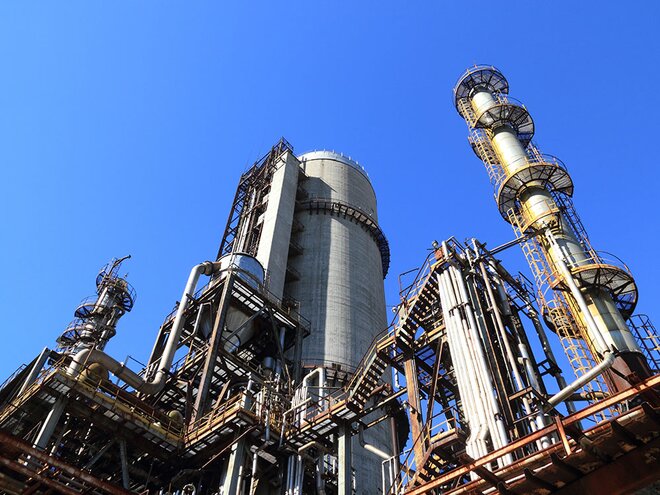
There's a direct link between GDP growth and energy consumption. That means demand for oil and gas grows whenever GDP growth accelerates. India's long-term demand for these two fuels will rise steadily. Dealing with that demand implies sensible policy making and it will also lead to long-term trends that affect multiple sectors, from energy to transport and fertilisers. India is the third-largest oil importer in the world and it is slated to become the second-largest or largest importer over the next decade to 20 years. This is mainly because India has high GDP growth rates and low per-capita energy consumption. But domestic production of oil and gas has stagnated. In fact, it's possibly falling. In 2016-17, India produced 36 million tonnes of crude, a decline compared to the 37 MT in 2015-16. Production was around 36.8 MT in 2012-13, so there's been stagnation. Similarly, India produced a gross 31,897 million metric standard cubic metres (mmscm) of domestic gas in 2016-17, which was less than the 32,3250 mmscm in 2015-16. Net gas production was 30,850 mmscm, which was also a little less than that in the previous year. India imports 80 per cent of its oil (see Figure 1) and about 40 per cent of its gas. The import dependency will grow. In 2016-17, imports were about 5.5 per cent higher than those in 2015-16. However, India refined 242.7 MT of petro products in 2016-17 and that's 5 per cent higher than the 232 MT of products in 2015-16. India is a major exporter of petro products. In 2016-17, it exported 65.5 MT of products, higher than the 60 MT exported in the prior fiscal. This is very useful since these exports earn forex and help to balance energy imports to some extent. India's product imports largely consist of LPG; gas imports amounted to over 12 MT of oil equivalent in 2016-17. Domestic demand (as opposed to imports for refined re-exports) was around 194 MT in 2016-17, up from 185 MT in 2015-16. Crude imports have grown at around 3-5 per cent annually over the past five years (there are large variations, with a maximum rise of 11 per cent in 2015-16). It's reasonable to expect demand growth to continue growing
This article was originally published on September 21, 2017.

 New episodes every Friday


 New Process Alert
 Seems like you've uploaded a wrong QR code. Please upload the QR code downloaded from MF Central platform.


