 Widely read:


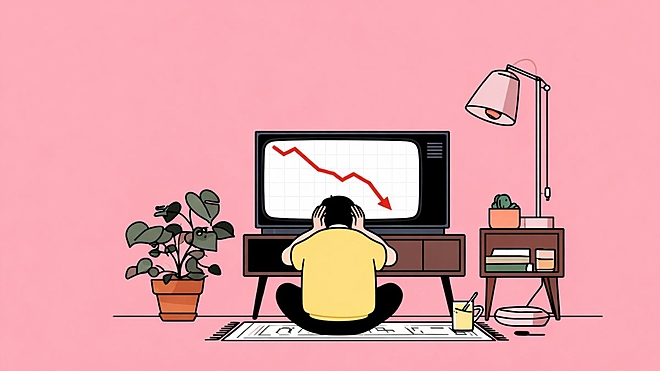 Aditya Roy/AI-Generated Image

Summary: Your SIP showing losses can feel like betrayal, especially when you were promised smoother returns. This story explains why SIPs can go into the red early, what rupee cost averaging really does and what determines whether SIPs work in the end. "Your portfolio is down 12 per cent." I stared at the notification on my phone, convinced it was a glitch. I'd been running SIPs for over a year. A complete year of disciplined, responsible investing. I'd read all the articles about rupee cost averaging and how SIP is the only sure-shot way to “get rich”. I'd nodded along to podcasts explaining how SIPs ‘reduce risk’ and ‘smooth out volatility.’ Nowhere did anyone mention I could actually lose money. I opened the app. There it was, in red: Rs 1.2 lakh invested, current value Rs 1.12 lakh. A loss of Rs 8,000, which showed up as an XIRR of about -12 per cent over one year. I called my friend Stuti, a long-term investor. "I thought SIPs were supposed to be safe," I said, trying to keep the panic out of my voice. "Safe?" she repeated. "Who told you that?" "Everyone. Every article. Every expert. They all say SIPs reduce risk." "They reduce risk," Stuti said carefully. "They don't eliminate it. When did you start investing?" "January 2025 ." There was a pause. "Ah. Yeah, that explains it." The part SIP charts leave out Stuti explained what I'd missed in all those optimistic articles: SIPs don't guarantee positive returns. They just protect you fr
This article was originally published on January 28, 2026.

 New episodes every Friday











 New Process Alert
 Seems like you've uploaded a wrong QR code. Please upload the QR code downloaded from MF Central platform.


