 Widely read:


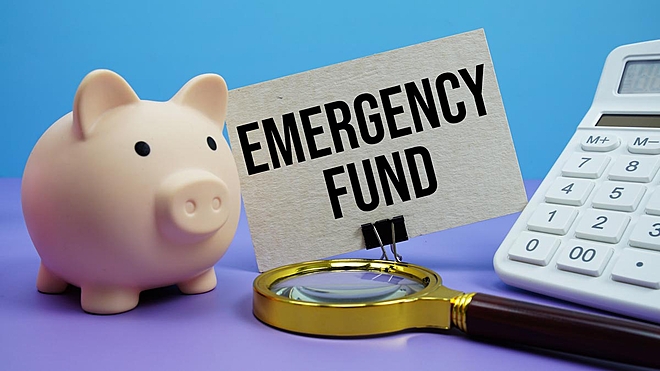
Summary: The old three-month emergency rule no longer fits today’s world of EMIs, fragile jobs and prolonged shocks. This story explains why emergency planning needs an upgrade and how a layered approach can protect you when crises arrive in very different forms. For decades, the advice around emergency funds has been simple and reassuring: keep three months’ expenses in a savings account and you are financially secure. It was a sensible rule for its time, when jobs were steadier, household debt was lower, and income shocks were usually short-lived. Today, those assumptions fall apart quickly. Jobs are more fragile, incomes are uneven and EMIs now form a large part of most households’ monthly outgo. Medical costs can stretch for weeks, not days. A job loss may take months to recover from. In this environment, three months of expenses can disappear far quicker than most people expect. Add to that rising lifestyle costs and uncertain economic conditions, and the old three-month rule begins to feel worryingly outdated. There is another shift too. Emergencies themselves no longer look the same. Some require money immediately. Others unfold gradually. Treating every crisis with a single pool of idle savings is neither efficient nor comforting. A smarter approach is needed, one that accounts for the variety of crises families now fa
This article was originally published on January 20, 2026.
This story is not available as it is from the Mutual Fund Insight February 2026 issue
Read other available articlesAdvertisement

 New episodes every Friday











 New Process Alert
 Seems like you've uploaded a wrong QR code. Please upload the QR code downloaded from MF Central platform.


