 Widely read:


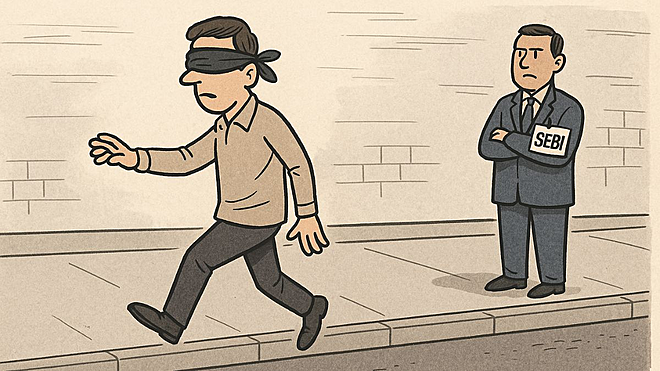 Aditya Roy/AI-Generated Image

The Lenskart IPO triggered a familiar pattern on social media. The company filed for the public offer at a valuation that seemed stratospheric. Within hours, the internet detectives were out in force with damning discoveries. The promoters had reportedly acquired shares just two or three months earlier at roughly one-eighth the valuation they were now asking public investors to pay. The company had been a perpetual lossmaker, but miraculously turned profitable this year due to a non-cash, one-time accounting entry. The outrage was swift and predictable. The IPO was overpriced by any reasonable measure. I personally find such public offers unattractive and generally caution retail investors against them. The gap between what insiders paid recently and what they are asking the public to pay is particularly galling. When you combine that with a business that has never demonstrated the ability to make consistent profits, you have all the ingredients of a wealth transfer from naive investors to savvy promoters and early backers. Of course, this is not just about Lenskart; a whole queue of such IPOs is lined up behind it. Suggested read: The IPO illusion But here's where I part

 New episodes every Friday











 New Process Alert
 Seems like you've uploaded a wrong QR code. Please upload the QR code downloaded from MF Central platform.


