 Widely read:


 Aditya Roy/AI-Generated Image
Summary: Dhirendra Kumar’s note on the H-1B visa fee shock struck a deeper chord with readers, reminding them that portfolio resilience isn’t built in rallies, but in restraint during chaos. This piece curates reader reflections on why staying invested, trusting fundamentals and tuning out noise matters more than ever.
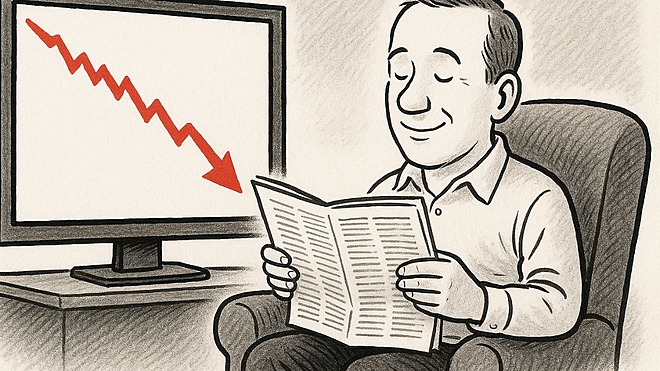
When policy headlines shake markets, investors often feel the urge to act fast. Dhirendra Kumar’s latest Editor’s Note on the H-1B visa fee shock struck a chord with readers, who saw in it not just an analysis of the moment but a reminder of a deeper discipline: portfolio peace comes from calm, not chaos.
Staying steady when markets shake
“Definitely it is a very useful note. It reassures investors to stay invested for the long term and ignore short-term volatility,” wrote Vijay Sabharwal. Brigadier Puri echoed the same thought: “Interesting and valid advice which gives confidence to give careful thought to such news and not to get into panic mode.”
For Deepa Padmanabhan, the piece was simply “an excellent article to remind people again to stay calm during chaos.”
Trusting fundamentals over frenzy
Readers also saw the column as part of a larger pattern of guidance. “Great to hear from you, especially the contemporary one,” said Deepesh Y Mahajan. “Your analysis is deep and accurate as always. It imbibes not just investment rationale but faith in being fundamentally right.”
Girish Deshpande added that thoughtful voices are rare: “Although the issues are complex, we see very few thought-through analyses of such policy measures—only broad statements or views.”
Why panic benefits the wrong crowd
Some dug deeper into how market panics play out. “Usually, the market reacts negatively when such announcements are made without going into the details,” wrote Abhay Dixit. “A bunch of people initiate selling, create panic and then buy the same stocks at lower prices. The unfortunate part is that an ordinary investor does not give a second thought—if these stocks have no future, then who is buying?”
He concluded that the real lesson is to “wait, stay calm, observe the movement in the coming months and then re-orient your portfolio if necessary.”
Lessons for new investors
For others, the message felt almost educational. “I started my equity market journey with options trading,” admitted Anup Hingmire. “But gradually, I moved to investment strategies instead of trading. I feel the latest article on H-1B policy changes was more into teaching values like patience and trusting the process for new investors.”
Hemantkumar agreed that even seasoned mutual fund investors need these reminders: “Generally, even mutual fund investors also get panicking. So your note is too useful in the current market situation.”
The common thread
Whether from veterans or first-timers, the chorus was consistent: panic belongs to the markets, not to portfolios. As one reader summed it up, the value of such notes lies not just in analysing policy moves but in reinforcing a discipline that outlasts them.
Credits
Vijay Sabharwal • Deepesh Y. Mahajan • Girish Deshpande • Deepa Padmanabhan • Brigadier Puri • Abhay Dixit • Hemantkumar • Anup Hingmire
Also read: Why every family needs a will today
This article was originally published on September 29, 2025.
Ask Value Research 
 New episodes every Friday













 New Process Alert
 Seems like you've uploaded a wrong QR code. Please upload the QR code downloaded from MF Central platform.


