 Widely read:


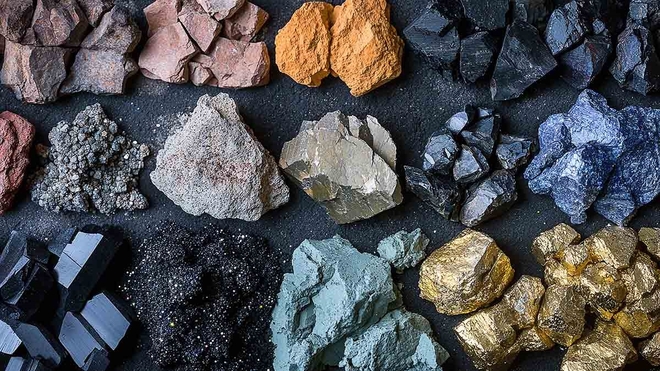
Summary: Rare metals power everything from EVs to smartphones. And China dominates the supply. As export curbs bite, India is pushing for self-reliance. But can policy, incentives and private sector play catch-up fast enough? This analysis unpacks the risks, reforms and the road ahead for investors. Control over energy-generating resources has always shaped global geopolitics. In the 19th century, Britain’s dominance was built on its control of coal. The 20th century was defined by oil and gas, leading to the powerful US-Saudi alliance shaping world affairs. Today, we are witnessing a new era marked by a transition to digital technologies and renewable energy sources—solar, wind and electric power. However, this transition is deeply dependent on a new set of resources: rare metals. Metals such as neodymium, cobalt, lithium and palladium are now essential for manufacturing everything from electric car batteries and wind turbines to smartphones and solar panels. One country, China, has strategically positioned itself to dominate both the production and consumption of these rare metals, giving it unprecedented leverage in the global economy. China’s dominance is overwhelming: it controls 60–75 per cent of global Rare Earth Elements (REE) production and 85–90 per cent of processing capacity. It supplies nearly all of the world’s heavy rare earths required for high-performance magnets. This position is the result of decades of strategic investment, cost undercutting and technological advancement. Despite holding an estimated 6.9 million metric tonnes
This article was originally published on August 01, 2025.
This story is not available as it is from the Wealth Insight August 2025 issue
Read other available articlesAdvertisement

 New episodes every Friday











 New Process Alert
 Seems like you've uploaded a wrong QR code. Please upload the QR code downloaded from MF Central platform.


