 Widely read:


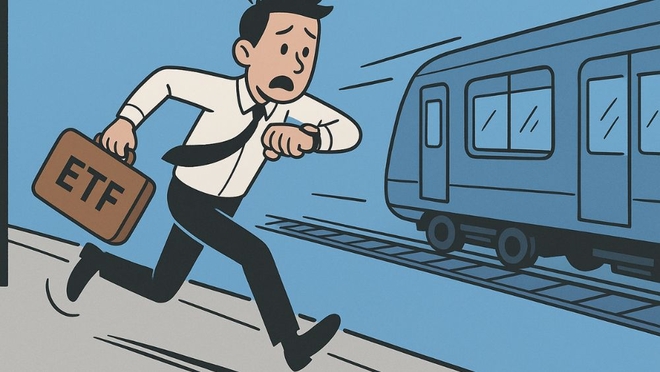 AI-generated image

Your ETF might look perfect until the day you try to sell it. Most investors check the index, and some glance at the expense ratio. But few ask the one question that matters when markets turn: Can I exit this ETF fast and at a fair price? This in-depth analysis reveals the hidden liquidity trap in India’s rapidly growing ETF market. We name the funds that could trap your money… and the few that won’t. If you own or plan to own ETFs, you need to read this before your next trade. Because by the time you realise what’s illiquid, it may already be too late. Most investors choose ETFs by looking at their index, expense ratio or past returns. But there’s one more factor that can make or break your ETF investment experience: Liquidity. Because even the best-performing ETF can turn into a poor investment if you can’t exit it smoothly. For the uninitiated, liquidity tells you how easily and efficiently you can buy or sell an ETF on the stock exchange. If trading volumes are low, you may have to wait longer to sell. Worse, you may be forced to sell for less due to poor demand (less buyers in the market). This is where ETFs differ from mutual funds. In mutual funds, you transact directly with the fund house at the day’s NAV (net asset value). But with ETFs, you buy or sell units on the stock exchange. This makes liquidity a critical part of the ETF experience. So, how liquid are ETFs, really? Let’s break it down — category by category — and see which ETFs are actually easy to trade, and which ones might trap your money when you need it most. Large-cap ETFs They may track the biggest companies in the country, but only a handful of large-cap ETFs are actually big enough in trading volume. Of the 62 ETFs in the large-cap category, the top 10 ETFs in this category account for over 90 per cent of the total average daily turnover for the last one year. Even more striking: Three ETFs alone — yes, just three — make up nearly 70 per cent of the entire category’s daily trading volume. So, while it may look like there’s plenty of liquidity in the large-cap ETF universe, the reality is that most of that action is concentrated in a very small club. If you stray outside these top-traded names, you risk holding an ETF that’s easy to buy but frustratingly h
This article was originally published on June 19, 2025.

 New episodes every Friday









 New Process Alert
 Seems like you've uploaded a wrong QR code. Please upload the QR code downloaded from MF Central platform.


