 Widely read:


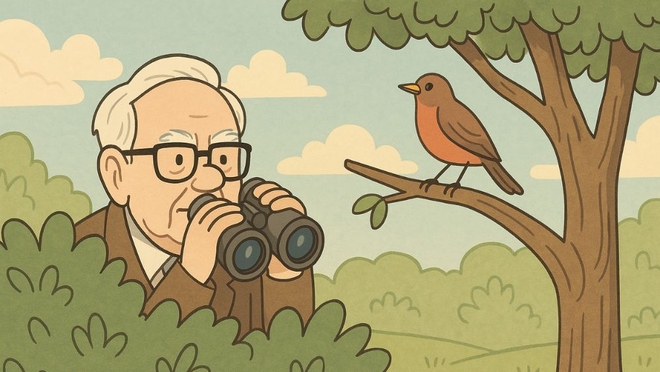 AI-generated image
In investing, the hardest truths often come dressed as clichés. "A bird in the hand is worth two in the bush" sounds like something your grandmother might say. But in Buffett's 2000 letter, it becomes a full-blown framework for valuing businesses. This was a time when dot-com madness was at its peak. Everyone was chasing birds they couldn't see, let alone catch. Buffett, as usual, stayed grounded. He reminded us that valuation is not about buzzwords—it's about cash flows, certainty, and time. In this story—part of our series on Buffett's annual letters—we dive into what he wrote in 2000 and 2001. From ancient fables to insurance accounting, it's a lesson in how not to lose your head when the world is busy doing just that. Aesop, valuation, and the illusion of growth Some 2,600 years ago, Greek storyteller Aesop dropped a line that has outlived empires: "A bird in the hand is worth two in the bush." Most people quote it to suggest you shouldn't get greedy. Buffett used it to explain how to value everything from stocks to oil wells. In his 2000 letter, Buffett took that old proverb and turned it into the foundation of capital allocation. "A bird in the hand" is what you already have. The "bush" is the future. And there are three real questions: How many birds are actually there? (cash flow, profit, etc.) How long will it take for them to emerge? (payoff period) What should you pay today to swap one for two tomorrow? (interest rate for discounting future cash flows) This idea is not new. But our ab
This article was originally published on April 14, 2025.

 New episodes every Friday











 New Process Alert
 Seems like you've uploaded a wrong QR code. Please upload the QR code downloaded from MF Central platform.


