 Widely read:


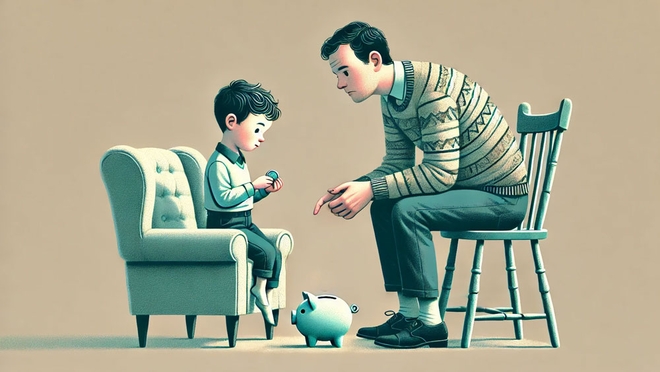

The response to my previous column on the budget, where I discussed the implications of moving away from tax-linked savings, has sparked a fascinating debate about financial behaviour. While some of my readers strongly endorsed my view that tax incentives serve as crucial catalysts for developing saving habits, others argued for a more free-hand approach, suggesting that individuals should be left to make their financial choices without what they perceive as governmental manipulation through the tax code. This discussion touches upon a fundamental question about human behaviour: do external incentives genuinely shape long-term habits, or do they merely create temporary compliance? The evidence from behavioural economics consistently points to the power of well-designed 'nudges' in fostering lasting behavioural change, particularly in financial decision-making. Suggested read: The nudge and the anti-nudge Consider the typical young professional entering the workforce. Fresh out of university, they encounter their first substantial income, along with numerous temptations for immediate consumption. The natural inclination, especially in our increasingly consumption-oriented society, is to spend rather than save. This is where tax-saving in

 New episodes every Friday








 New Process Alert
 Seems like you've uploaded a wrong QR code. Please upload the QR code downloaded from MF Central platform.


