 Widely read:


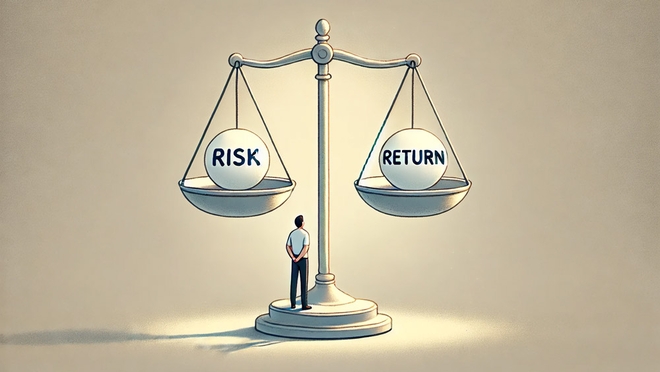
Investing can sometimes feel complicated, especially with all the numbers and jargon. SEBI, the regulator for mutual funds in India, wants to make it easier for you to evaluate and compare all equity-oriented mutual fund schemes. That's where the concept of Risk-Adjusted Returns (RAR) and the Information Ratio (IR) comes in. Let's break it down in simple terms. Why compare risk and returns? Imagine you and a friend invest Rs 1,000 each. You invest in a fixed deposit and earn Rs 50, while your friend invests in stocks and earns Rs 50 too. Same return, right? But you took no risk, and your friend did. Similarly, mutual funds can generate similar returns, but some take more risk than others. Risk-adjusted returns help measure how much "extra return" a fund manager generates for the risk taken. What is the information ratio? Information ratio is a way to calculate risk-adjusted returns. It answers the question: Is the fund manager good at generating more return than the benchmark (like Nifty or Sensex) without taking unnecessary risks? Here is how it is calcul
This article was originally published on January 22, 2025.

 New episodes every Friday











 New Process Alert
 Seems like you've uploaded a wrong QR code. Please upload the QR code downloaded from MF Central platform.


