 Widely read:


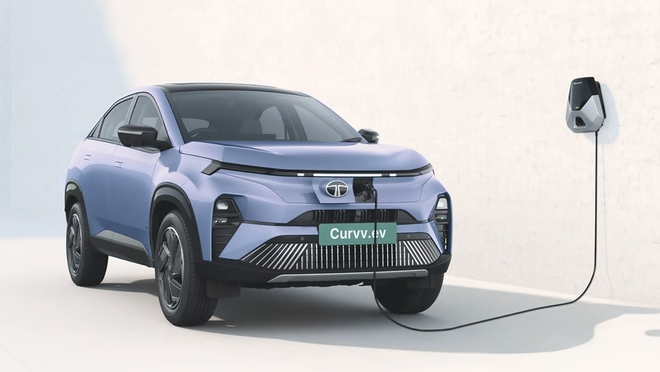
Never mind the many successful turnaround stories in the Indian market, none come close to Tata Motors. Its story is one for the books. The Indian automotive giant, whose market value eroded by about 89 per cent between February 2015 and March 2020, has staged a comeback like no other. The share has soared over seven times in the last five years. What's more impressive is it still trades at a P/E (price-to-earnings) ratio of just 10 times. This mouth-watering valuation makes it much cheaper than peers like Maruti Suzuki and Ashok Leyland, which command a P/E of 27 times each. So, does that mean Tata Motor's rally still has legs? Before we get to the answer, let's first take a brief detour to its troubled history. It may have clues to the future. The Land Rover acquisition: The first snag, which eventually sparked the company's decline, was its big-ticket acquisition of Jaguar Land Rover (JLR) in 2008. Tata Motors shelled out over $2.3 billion (a whopping Rs 1 lakh crore at the time) to acquire the UK-based luxury car maker. This move, financed primarily by debt, was meant to be Tata Motors' ticket to the big leagues. Instead, it nearly became a death sentence. As the 2008 financial crisis gripped the economy, JLR ended up becoming a burden on Tata Motors' books. In a bid to maintain market share, Tata resorted to aggressive pricing strategies that eroded JLR
This story is not available as it is from the Wealth Insight November 2024 issue
Read other available articlesAdvertisement
 New episodes every Friday











 New Process Alert
 Seems like you've uploaded a wrong QR code. Please upload the QR code downloaded from MF Central platform.


